9 Auspicious Thai Desserts for Traditional Weddings
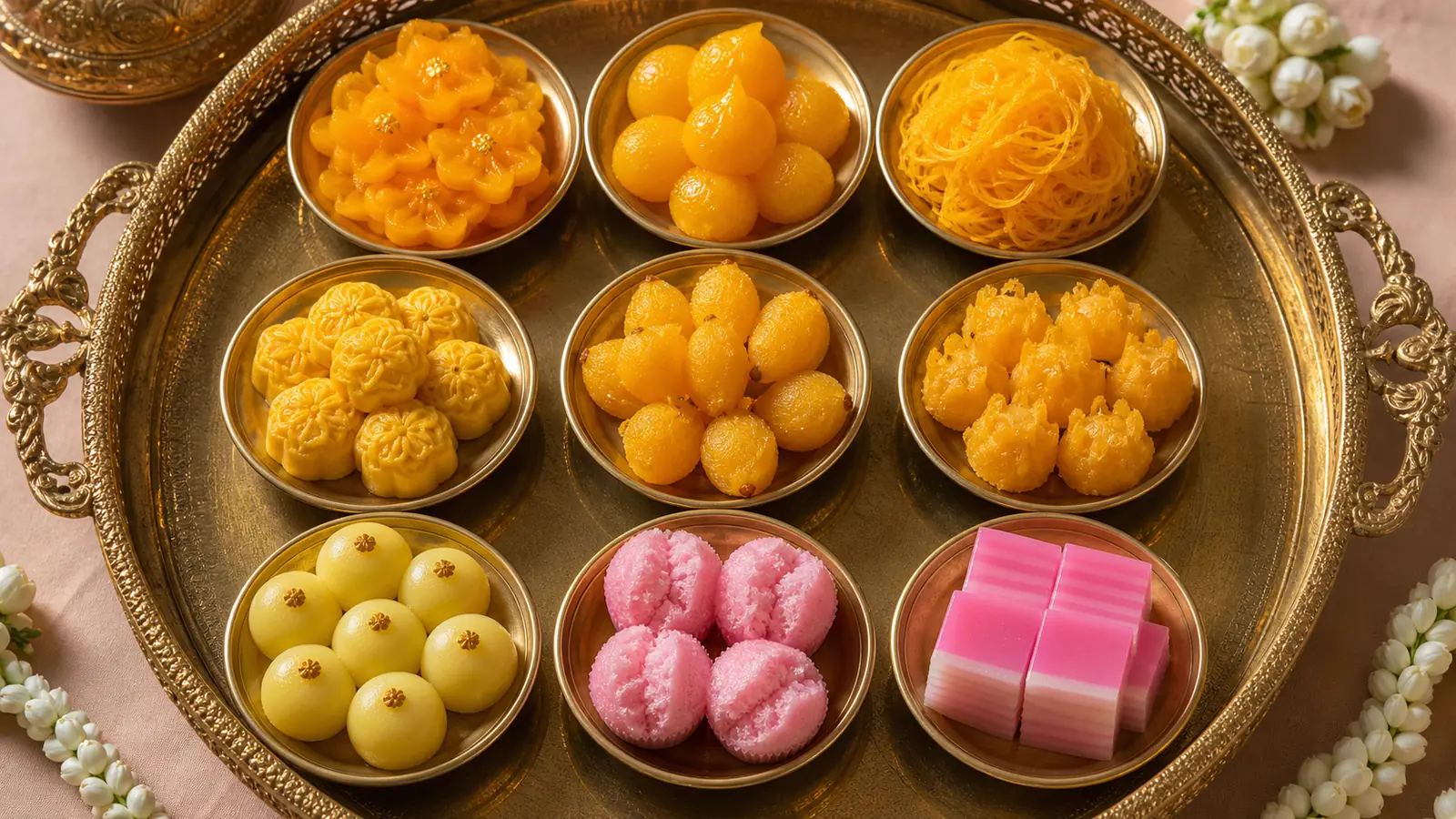
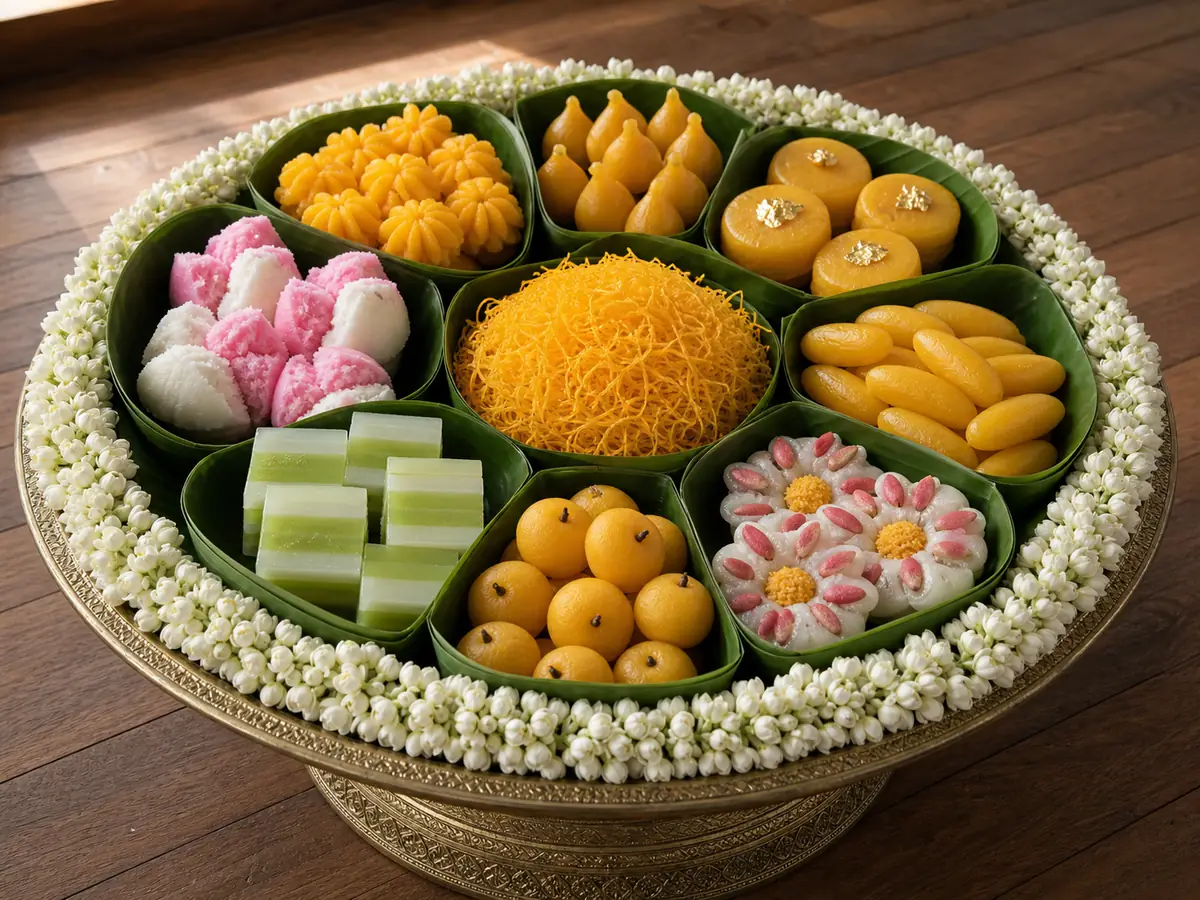
In a traditional Thai wedding, the khan maak procession is a vibrant and essential ritual. Among the various trays of gifts, banana shoots, and sugarcane, the "Auspicious Dessert Trays" (Khanom Mongkol) hold a very special place. These trays usually feature 9 specific traditional Thai sweets. Not only are they beautifully crafted—mostly in striking golden hues—but their names also carry profound symbolic blessings for the newly married couple.
The number 9 itself is highly auspicious in Thai culture, as it sounds like the word for "progress" or "moving forward" (Kao). When combined with the specific names of these desserts, it creates a powerful blessing for wealth, longevity, and a thriving marriage.
The 9 Auspicious Desserts and Their Deep Meanings
Let's dive into each of the 9 traditional desserts, what they are made of, and the beautiful blessings they represent:
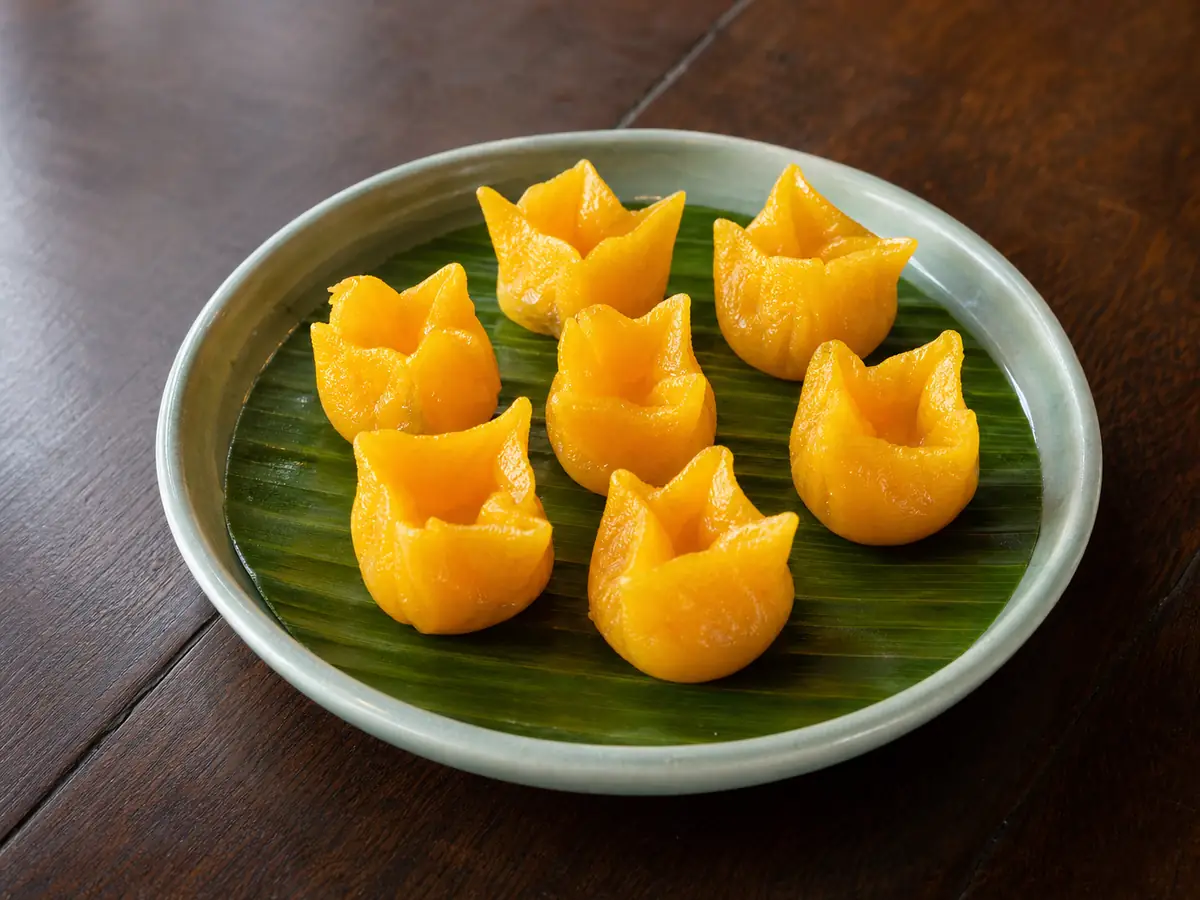
1. Thong Yip (Pinched Gold)
- What it is: A sweet made from egg yolks boiled in jasmine-scented sugar syrup, then meticulously folded and pinched into the shape of a five-point star or flower.
- The Blessing: "Thong" means gold, and "Yip" means to pick up or pinch. It symbolizes immense wealth, suggesting that whatever the couple touches or picks up will turn into gold.
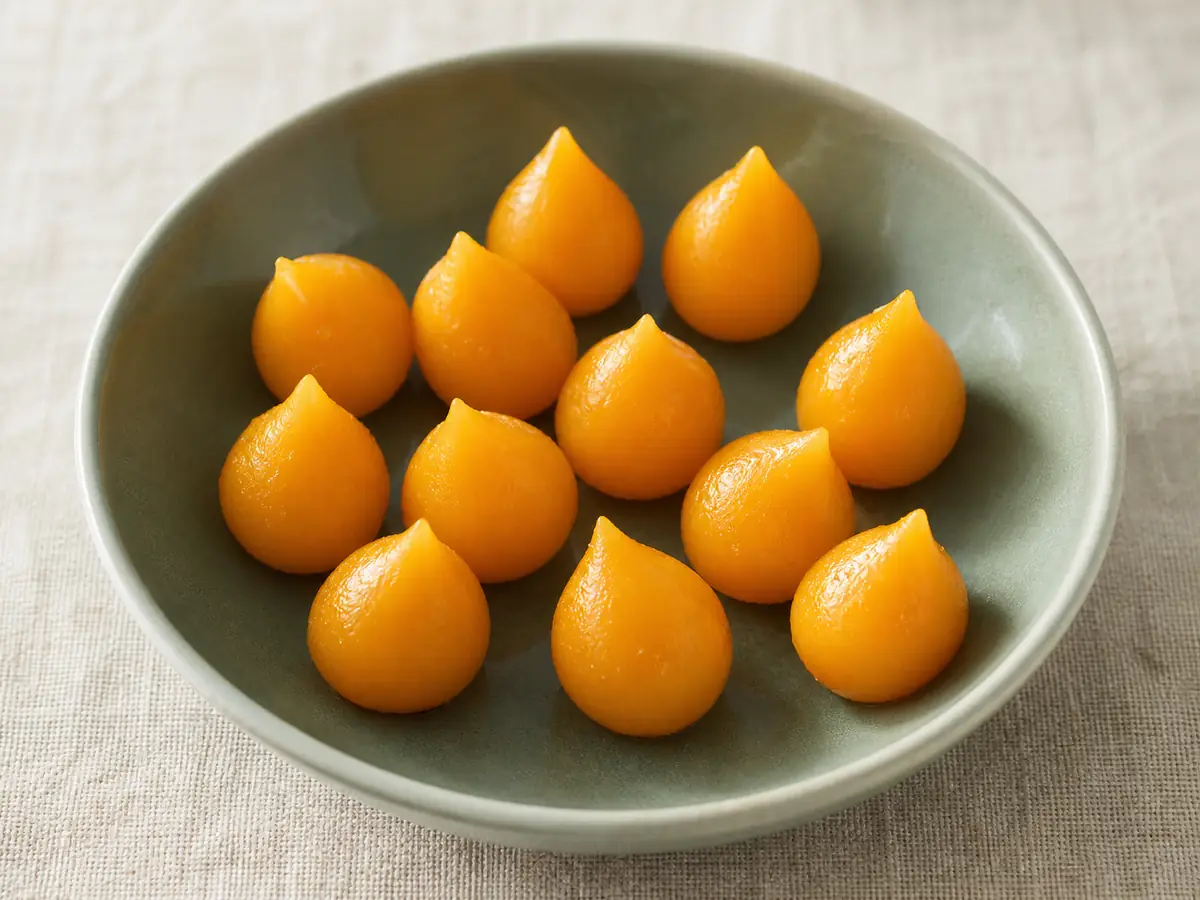
2. Thong Yot (Gold Drops)
- What it is: Similar in ingredients to Thong Yip, but shaped into beautiful, smooth, golden teardrops or water droplets.
- The Blessing: It represents a continuous, never-ending flow of wealth. It is like giving a blessing of liquid gold to the couple, ensuring they will never run out of money.
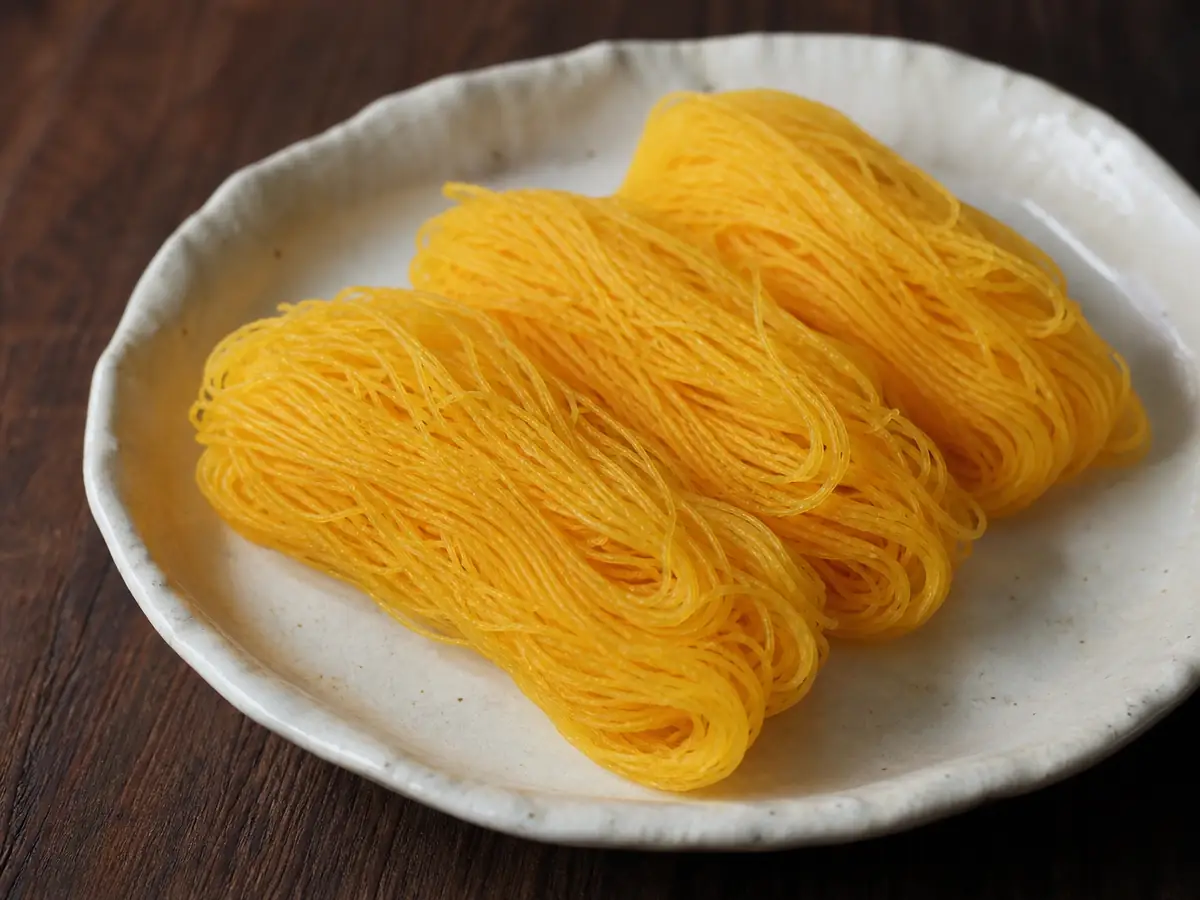
3. Foi Thong (Golden Threads)
- What it is: Long, delicate, golden threads made by pouring egg yolks through a narrow funnel into boiling syrup.
- The Blessing: It symbolizes a long-lasting love and a long life together. Crucial Tradition: The person making Foi Thong for a wedding must never cut the threads; they must be as long as possible to ensure the marriage is unbroken.
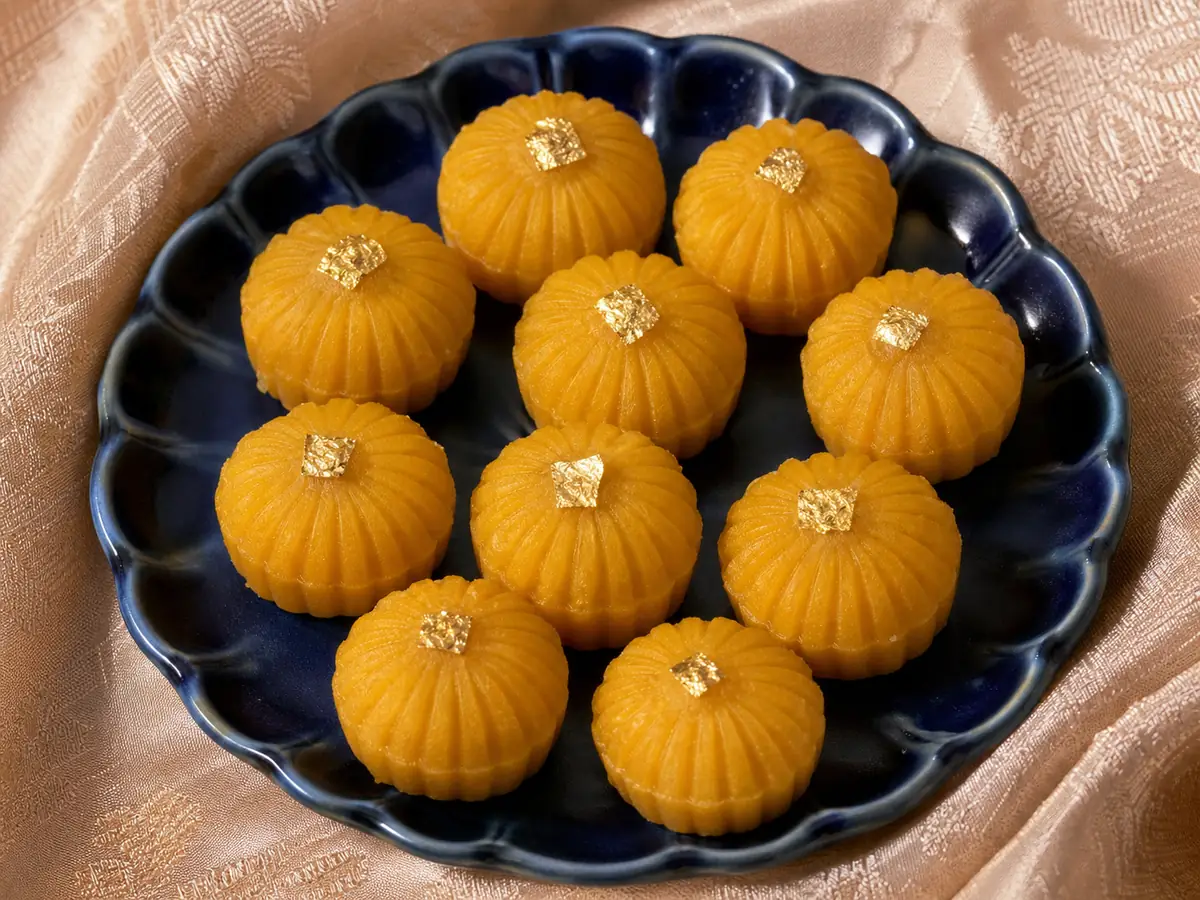
4. Thong Ake (Prime Gold)
- What it is: A beautifully carved, crown-like dessert made from wheat flour, egg yolks, and coconut milk, often topped with a tiny piece of edible gold leaf.
- The Blessing: "Ake" means number one, supreme, or the absolute best. It blesses the couple to be at the top in their careers, to achieve the highest honors, and to have a marriage that is second to none.
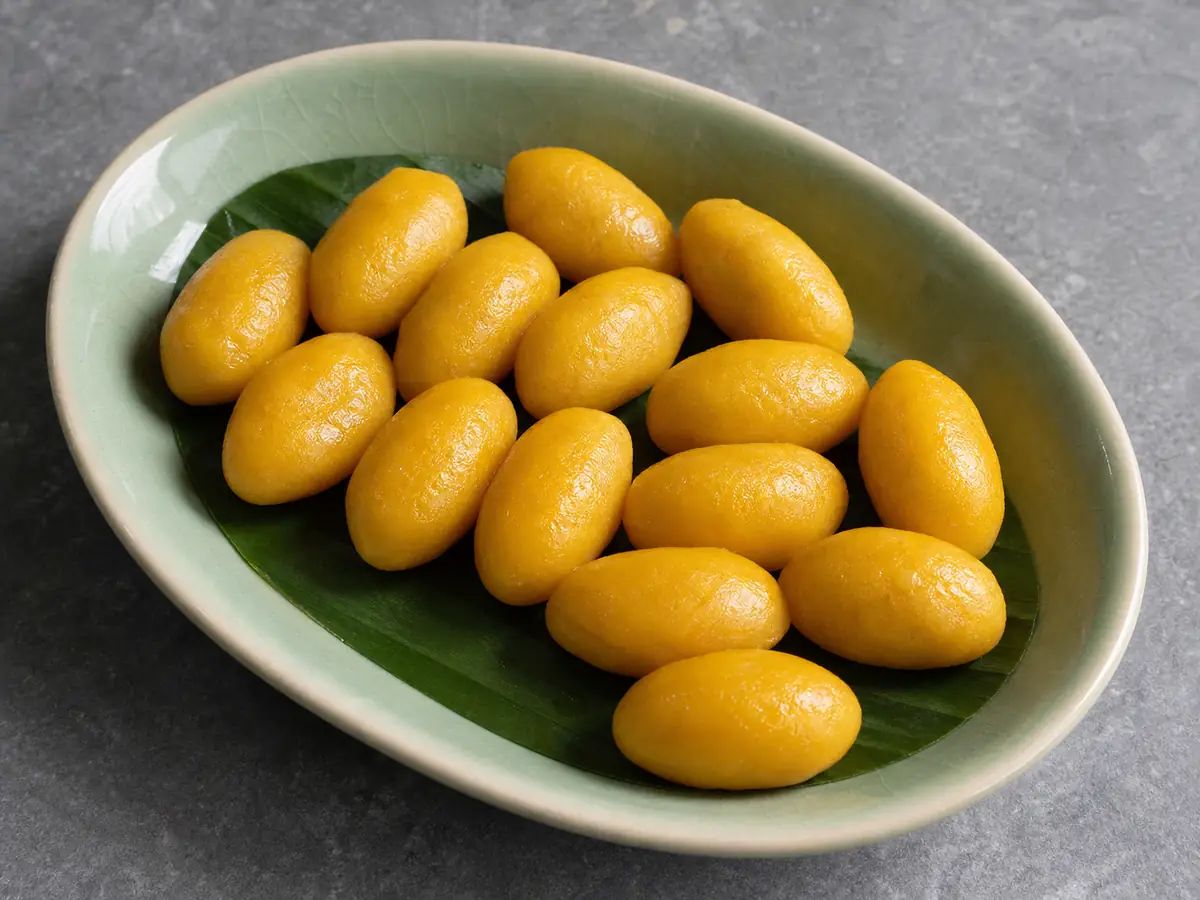
5. Med Khanun (Jackfruit Seed)
- What it is: A sweet made from mashed mung beans coated in egg yolk, shaped exactly like a jackfruit seed.
- The Blessing: "Khanun" sounds identical to the Thai word for support or backing. It symbolizes having strong support from family, friends, and patrons. It ensures the couple will always have people to help them through tough times.
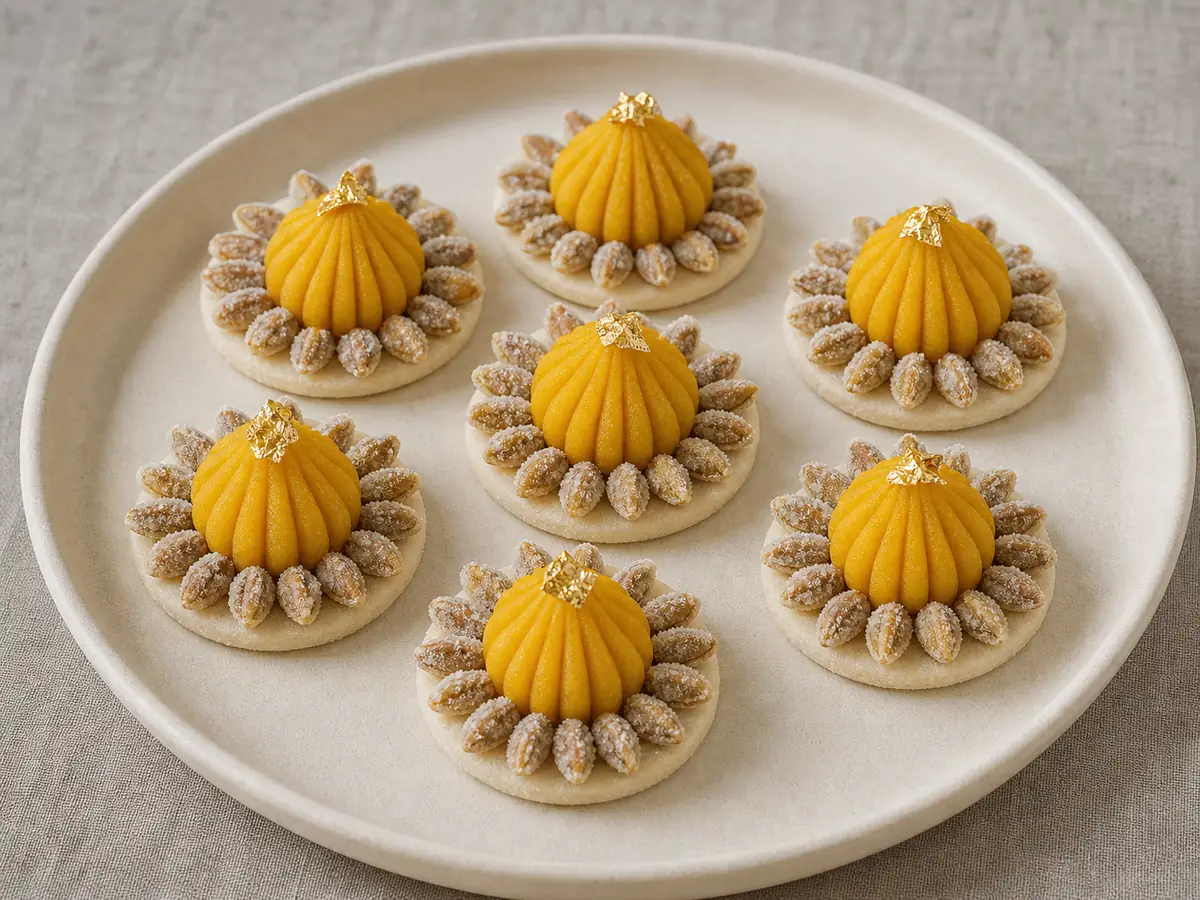
6. Ja Mongkut (Golden Crown)
- What it is: One of the most intricate Thai desserts, resembling a beautiful traditional crown, made with roasted watermelon seeds coated in sugar to look like jewels.
- The Blessing: It signifies high rank, honor, leadership, and significant career advancement. It is a wish for the couple to achieve greatness and respect in society.
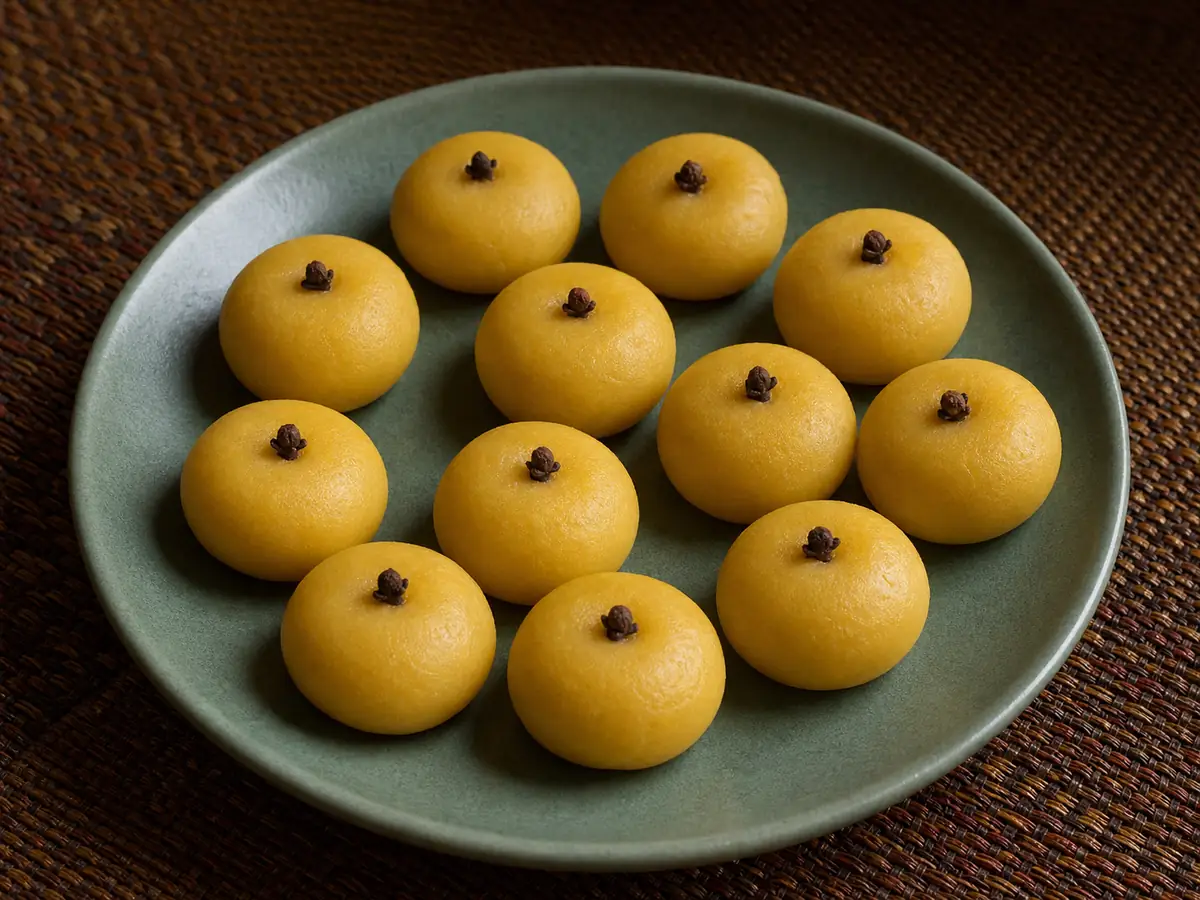
7. Saneh Chan (Moon Charm)
- What it is: A round, yellow dessert made from rice flour, egg yolks, and nutmeg (Chan in Thai), shaped to look like a small fruit.
- The Blessing: It represents charm, lovability, and endearment. It ensures the couple will be loved and adored by everyone around them, and that their own love will remain charming and fresh.
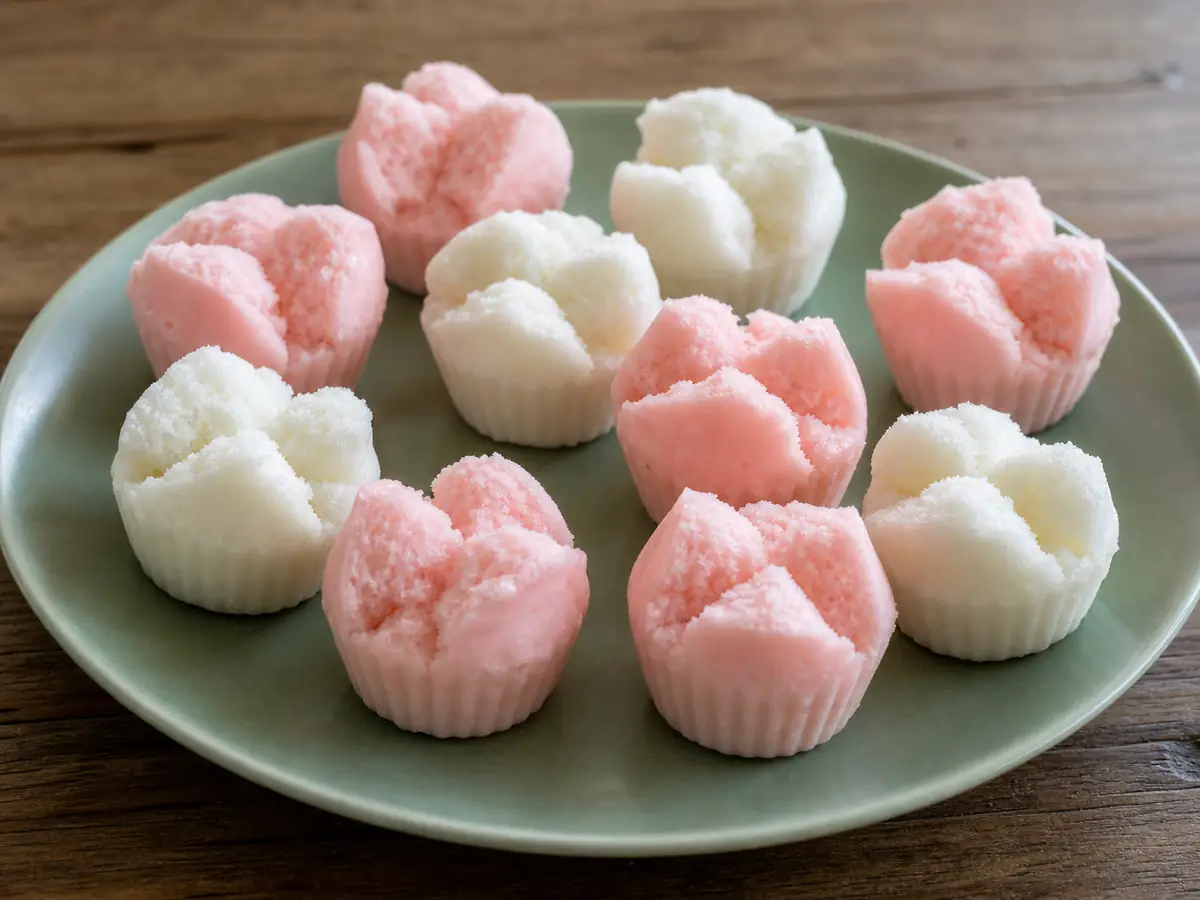
8. Tuay Fu (Fluffy Cupcake)
- What it is: A soft, fluffy, steamed rice flour cake, usually light pink or white, that blooms like a flower when cooked.
- The Blessing: "Fu" means fluffy, rising, or flourishing. It symbolizes prosperity, growth, and a flourishing married life that rises above any challenges.
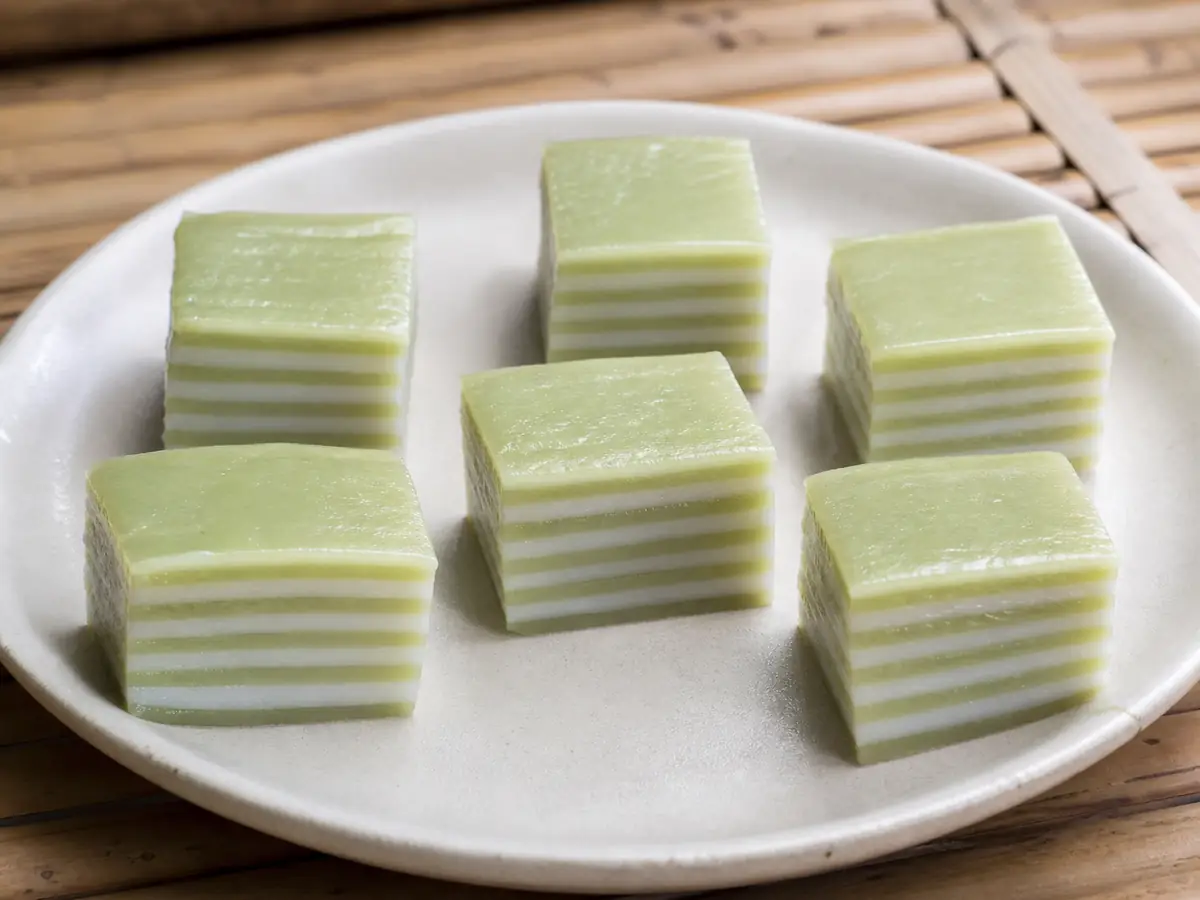
9. Khanom Chan (Layered Dessert)
- What it is: A chewy, sweet, steamed dessert made from tapioca flour, coconut milk, and pandan. For a wedding, it MUST be made with exactly 9 layers.
- The Blessing: "Chan" means layers, ranks, or levels. It signifies continuous advancement, leveling up in life, and steadily growing success step by step.
Serving Tips for the Khan Maak Procession
If you are incorporating these into your wedding, here are a few tips to ensure they look perfect:
- Presentation: These desserts are usually presented in pairs (two identical trays) as part of the Khan Maak Tho (the secondary trays).
- Modern Arrangements: Traditional desserts can be quite large and heavy. Modern wedding planners and caterers often arrange bite-sized, miniature versions of all 9 desserts beautifully on a single, elegant tray. This looks incredible in photos and is easier to carry!
- Regional Variations: Depending on the region in Thailand, you might see slight variations. For example, some central provinces might include Khanom Kong (Wheel Dessert) symbolizing a marriage that rolls forward smoothly, or Khanom Sam Kloe (Three Buddies).
What to Do After the Ceremony?
After the morning rituals — and, in many families, the bridal bed blessing that closes the day — these desserts are meant to be shared! They are often divided among the elders and the bridal party to eat, sharing the sweet blessings and good fortune with everyone involved. Some couples order extra bite-sized pieces and send them home with guests as the small parting gift every guest receives.
Once the trays are sorted, check where they slot into your morning ceremony running order — and if the date isn't fixed yet, read up on choosing an auspicious wedding date.
Understanding the sweet meanings behind these traditional treats adds beautiful depth, intentionality, and cultural richness to your Thai wedding ceremony!
Plan your whole wedding in one app
Ready to start planning your wedding?