

Loading…
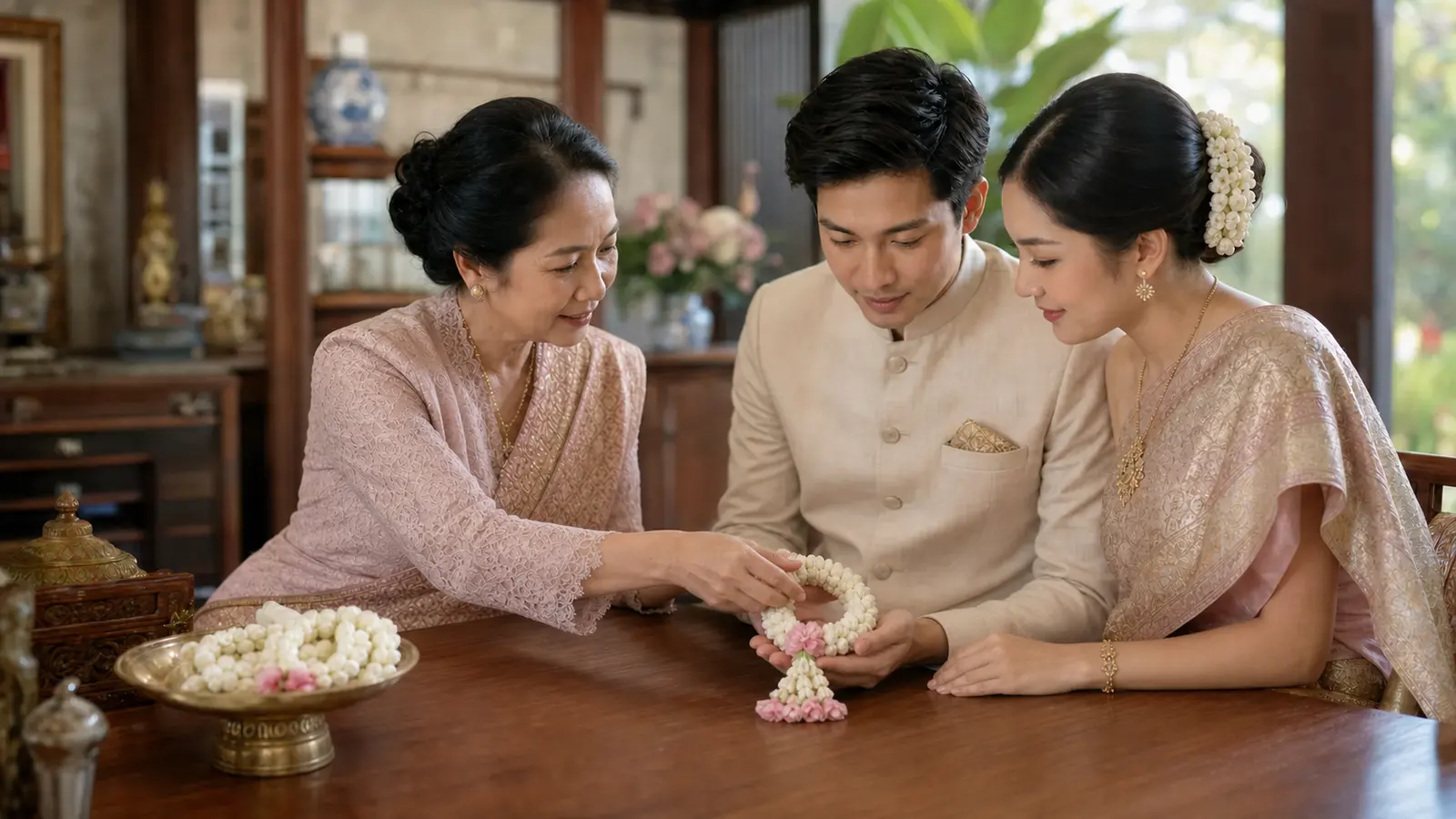
Found the dream venue and want to book it on the spot? Hold on just a second. If you haven't sorted your reuk — the auspicious date — first, you might end up shuffling the whole wedding later and losing your deposit in the process. For a lot of Thai families, the reuk is where planning genuinely begins, because the date shapes everything that comes after it.
So let's talk through how reuk actually works, who sets it, and how to land on a date that's both lucky and liveable. (Already have a date? Count down to it or browse popular dates with the auspicious date tool.)
Reuk is the day and time considered auspicious for starting married life. In Thai belief, it's usually worked out from:
One heads-up: the calculation varies by school and belief. Don't lean on random numbers you found online — have someone the family trusts work it out instead. Everyone sleeps easier that way.
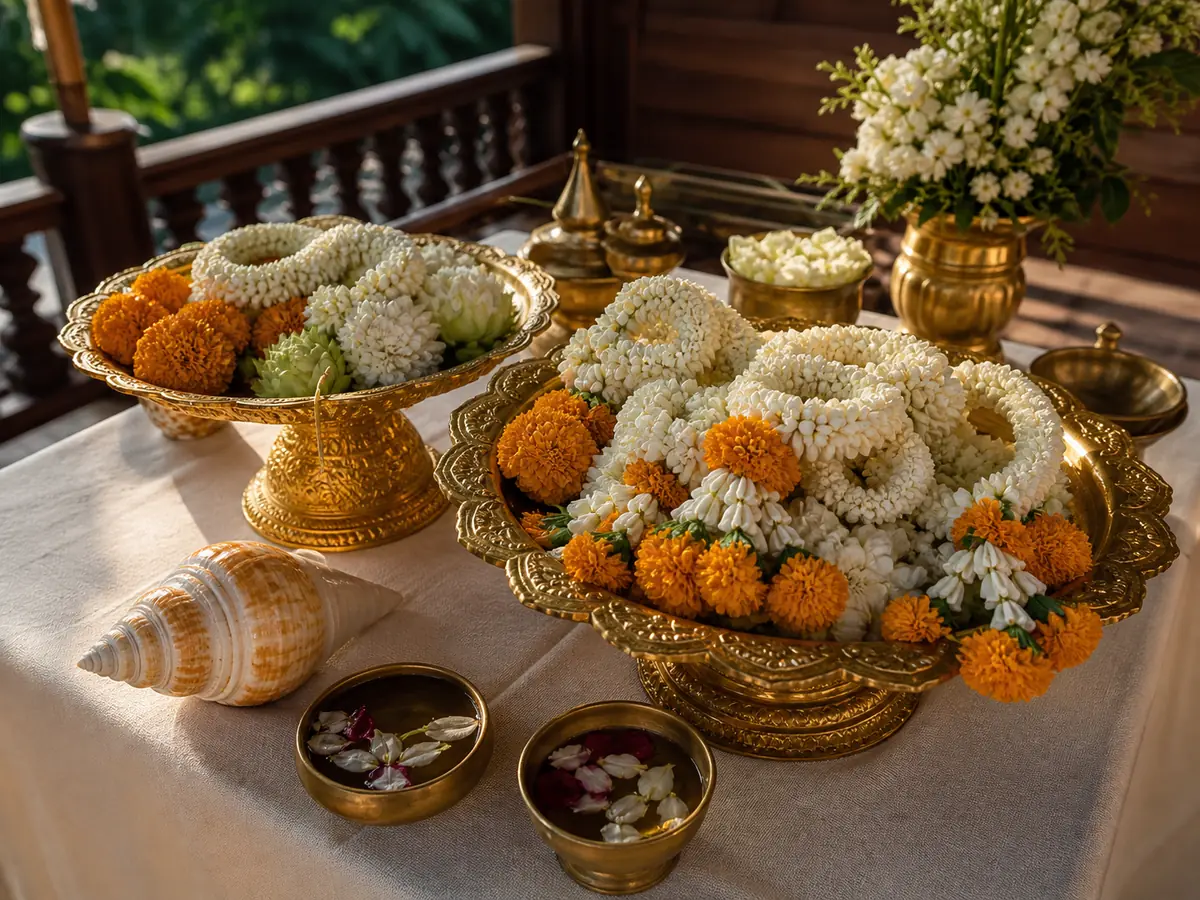
Most of the time it's an elder, a monk, or a trusted astrologer, sometimes alongside a general auspicious-date calendar. Once you know who you're asking, check the birth details you need to bring to the appointment so one visit is enough. The thing to do early is simple: sit down with the elders on both sides and find out how much weight they put on the reuk. Get that straight first, and the rest of the plan won't step on anyone's toes.

Late year into early year and the cool season are hugely popular — lovely weather, and considered an auspicious season. But there's a catch worth knowing.
Got a little flexibility on the date? Look at a weekday or off-season slot — usually easier to book, kinder on the wallet, and vendors have more room to look after your day.
In addition to the exact date, Thai tradition pays close attention to the lunar month (the Thai month system) for weddings:
Once you get the main date, the astrologer will usually give you specific times for key events throughout the day. These are crucial for building your Run Sheet:
Reuk matters, but it lives in the real world of availability and budget. Here's the smoothest way to do it:

Since everything hinges on the date, locking the reuk is the very first step on the checklist — venue, photographer and invitations all follow from it. See the full order in the Thai Wedding Checklist.
Once you've got your reuk, Wedly lets you set the wedding date, count down to it, and tie it to your checklist, budget and run sheet in one app — including the morning ceremony times like water-pouring and ring exchange. So the whole family sees what happens when, instead of asking around on the day.
A Thai auspicious date is really about the family's peace of mind — talk to the elders early, ask for a range so you stay flexible, then choose the date where reuk, venue and vendors all meet. Lock it in, start planning the rest, and you get both a lucky day and a wedding you can actually pull off. You don't have to choose between the two.
Usually an elder in the family, a monk, or an astrologer the family trusts, based mainly on the couple's birth dates. Some families also use a general auspicious-date calendar.
Not necessarily, if both families are comfortable. Many couples pick a date based on convenience or personal meaning. But if elders value it, having a reuk keeps everyone at ease.
Late year into early year and the cool season are popular for pleasant weather and are considered auspicious, but that is peak season — venues fill fast and prices run higher.
Always lock the auspicious date, or a shortlist of possible dates, first — then check that the venue and vendors are free. Booking the venue first and finding the date doesn't match causes headaches and lost deposits.
Ready to start planning your wedding?