

Loading…
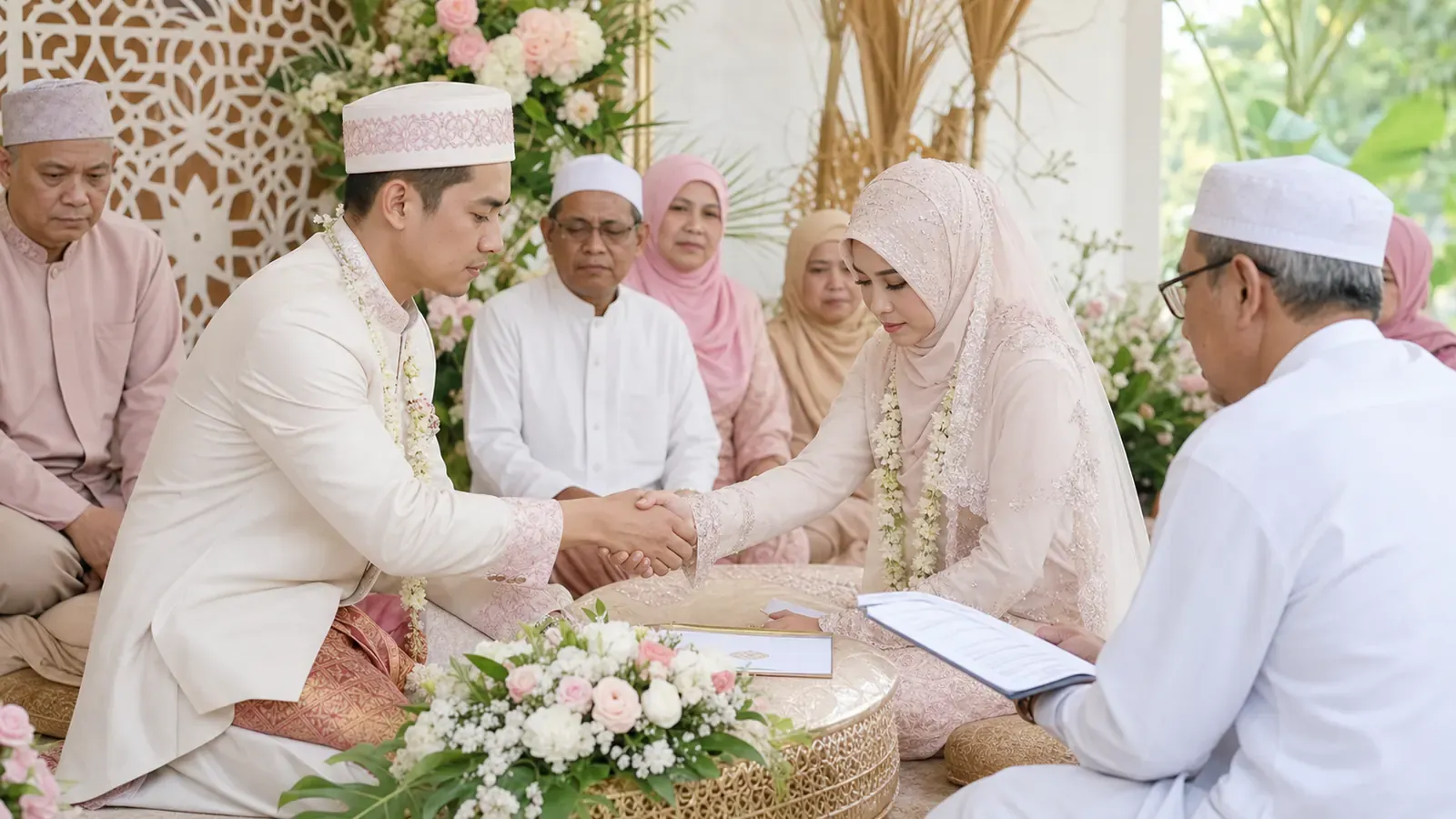
A Muslim wedding is a beautiful, deeply spiritual, and community-focused event that centres on the nikah (akad nikah), the Islamic marriage ceremony. In Thailand, where cultures often intertwine seamlessly, a Thai Muslim wedding beautifully blends Islamic religious requirements with local customs, especially in the southern provinces and Bangkok.
Whether you're a couple planning your own Islamic wedding or a guest wanting to understand the rich traditions before attending one, this comprehensive guide covers everything from the roles of the key figures and the significance of the mahar to the joyous walimah feast.
First, an important note: practices vary significantly by community, cultural background, and school of thought (Madhhab), and this guide provides a broad overview. Always consult an imam or a knowledgeable person in your local community to ensure your ceremony adheres correctly to religious guidance.
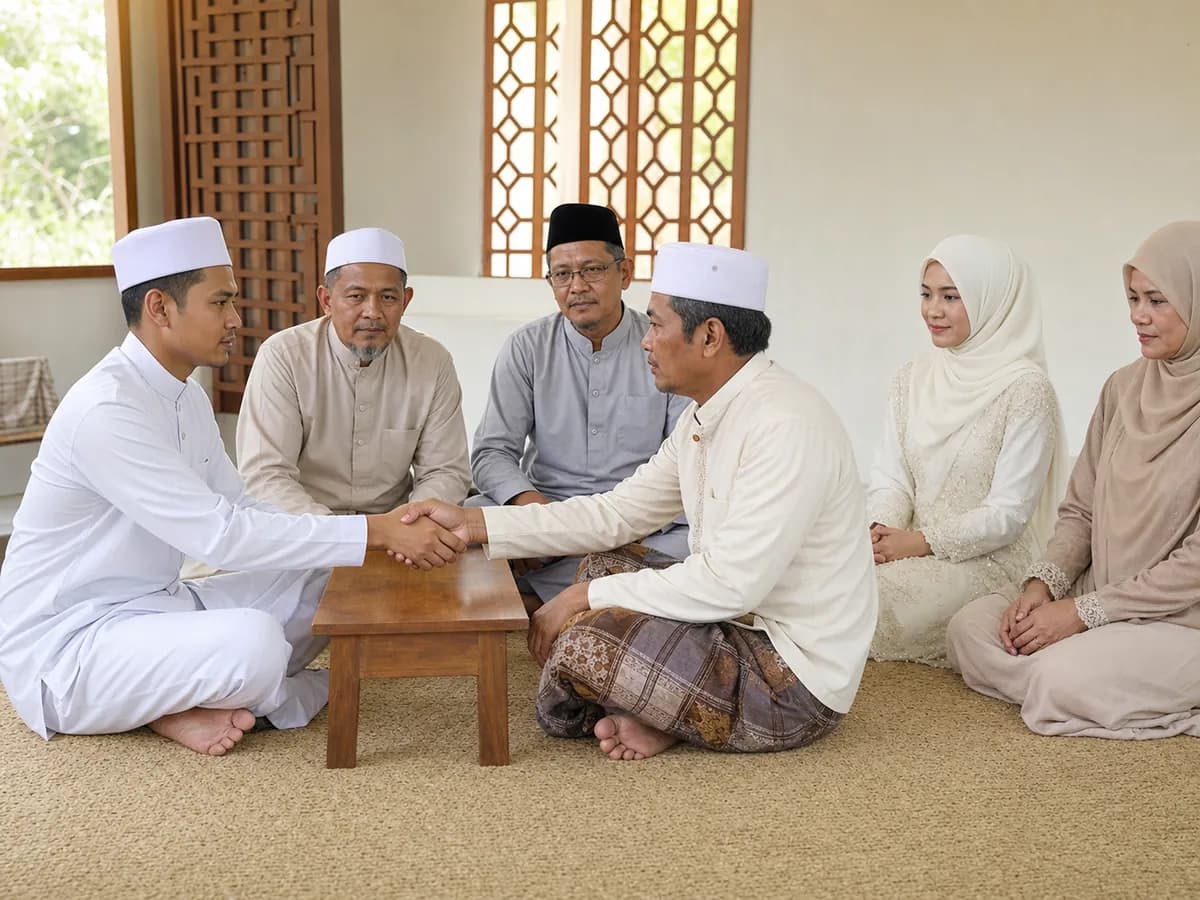
The nikah is the sacred religious marriage contract made before an imam or religious officiant. It is a simple but profound ceremony that legally and spiritually binds the couple under Islamic law. While cultural celebrations can last for days, the nikah itself is relatively brief and consists of several mandatory elements:
In Islam, the bride is represented by her wali, her lawful guardian. This is almost always her father. If her father has passed away or is unavailable, the role passes to her paternal grandfather, adult brother, or another male paternal relative. The wali's role is to ensure the bride's rights are protected and to officially "give her in marriage."
For a nikah to be valid, there must be at least two adult, sane, Muslim male witnesses. They must hear the offer and acceptance clearly. Their presence ensures the marriage is a public declaration, not a secret pact.
The officiant usually begins with a short sermon in Arabic (and often translated into Thai or the local language). It includes praises to Allah, readings from the Quran regarding marriage, and advice to the couple on mutual respect, love, and their responsibilities to one another.
This is the climax of the ceremony. The wali (or the imam acting on his behalf) makes the offer of marriage (ijab), specifying the mahar. The groom then replies with his acceptance (qabul). Often, the groom and the wali will clasp their right hands together during this exchange. In many Southeast Asian traditions, the groom must recite his acceptance in one clear, continuous breath.
Once the verbal agreement is made, the couple, the wali, and the witnesses sign the marriage contract. The ceremony concludes with a du'a (supplication), where the congregation raises their hands to pray for the couple's lifelong happiness, piety, and prosperity.
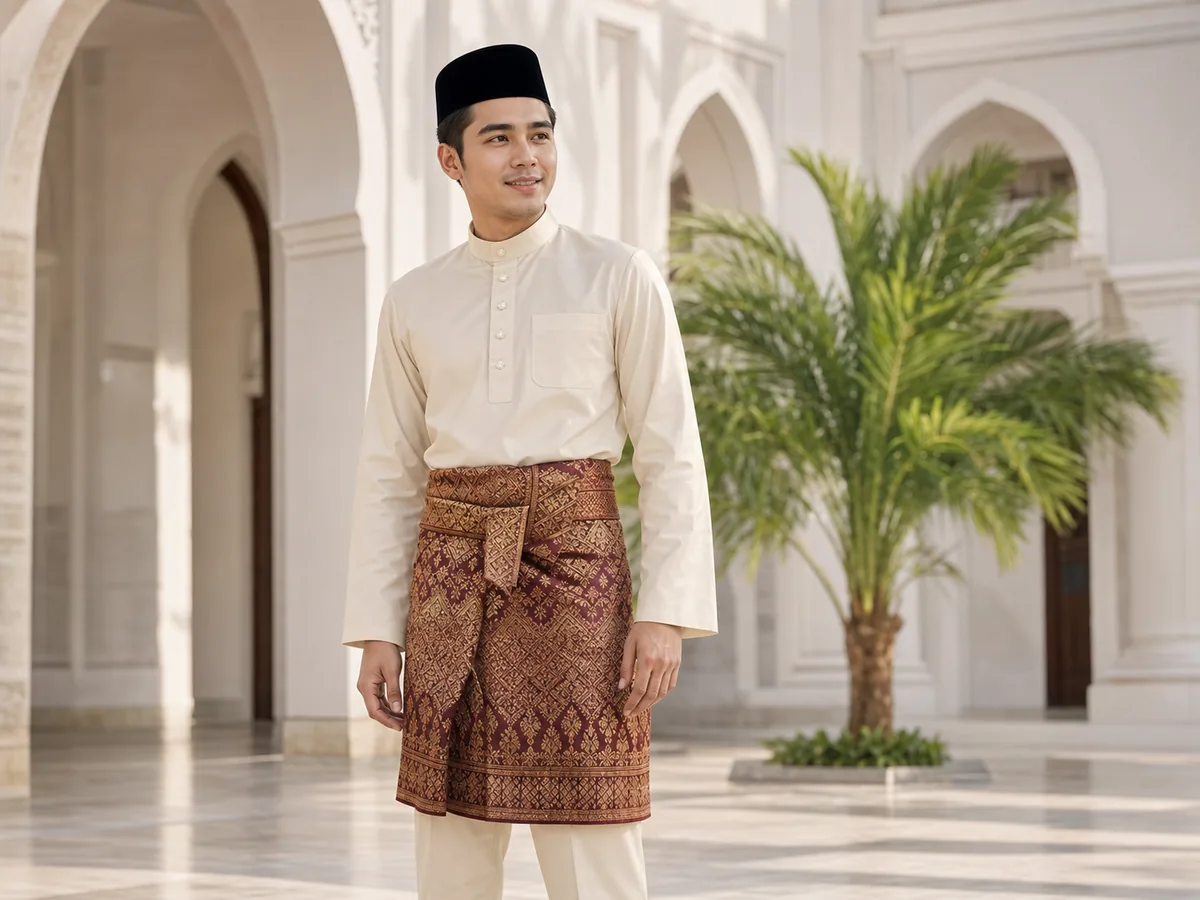
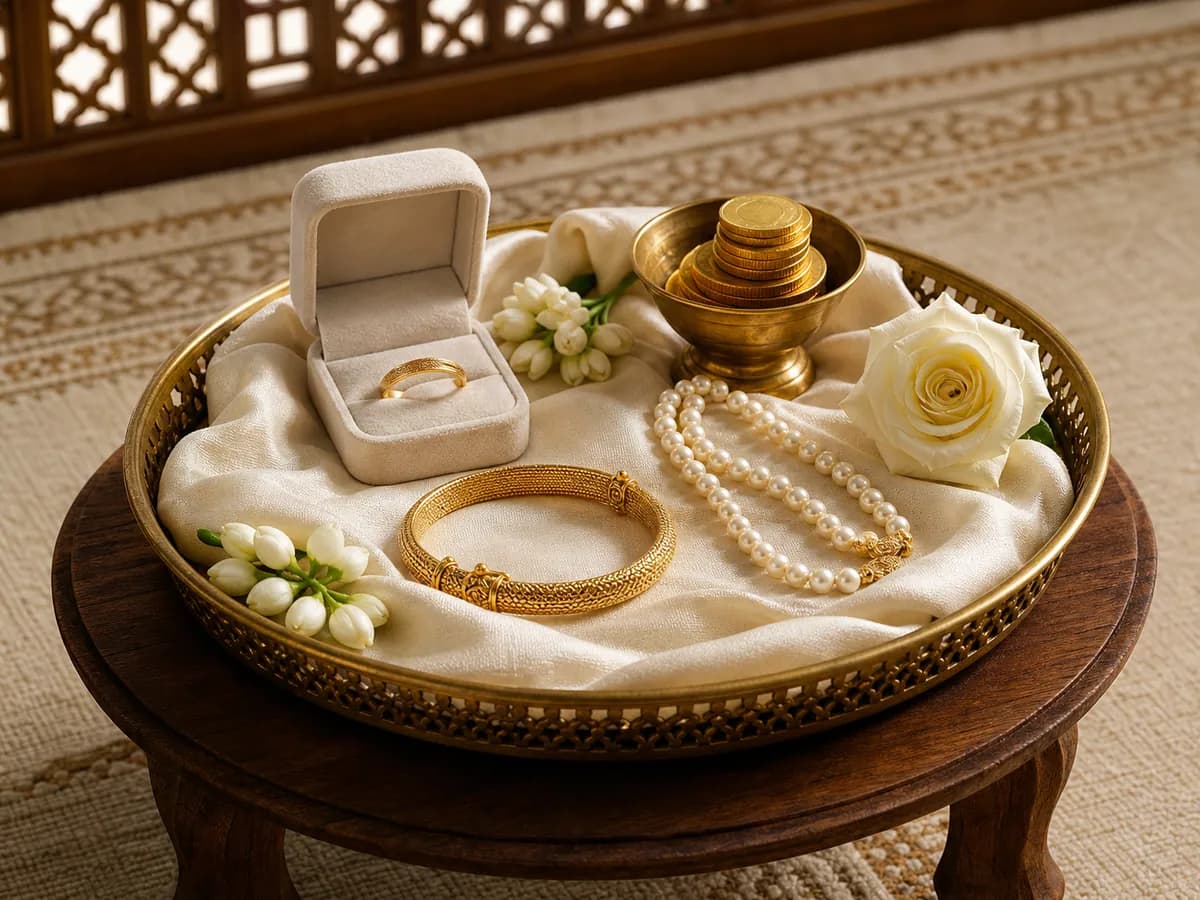
In Thailand, weddings often involve the concept of sinsod (dowry). However, in a Muslim wedding, the concept is fundamentally different and is called mahar (or mahr). Mixing up the two is common, but they serve entirely different purposes.
| Feature | Mahar (Islamic Mahr) | Sinsod (General Thai Custom) |
|---|---|---|
| Given to | The bride directly (it is her exclusive right and property) | Usually the bride's parents or family |
| Origin | Divine mandate in the Quran | Traditional Thai cultural practice |
| Purpose | A symbol of the groom's respect, commitment, and responsibility to provide | Traditionally to thank the parents for raising the bride and to prove financial stability |
| Amount | Agreed upon based on the groom's affordability and religious guidance | Negotiated between the two families based on social status |
Actionable Advice for Setting the Mahar:
While the nikah is the religious core, Thai Muslim weddings, particularly in the South (like Pattani, Yala, and Narathiwat) or among families with Malay heritage, feature beautiful cultural rituals.
Planning an Islamic wedding requires attention to specific religious guidelines alongside standard wedding logistics. The costs follow much the same shape as any Thai wedding, so the wedding budget planner is a fair starting point once you've set the mahar aside as its own line.
The walimah is the second half of the Islamic marriage celebration. It is a banquet hosted by the groom (or his family) after the nikah has taken place.
The purpose of the walimah is to publicly announce the marriage, express gratitude to Allah, and share the joy with family, friends, and the community.
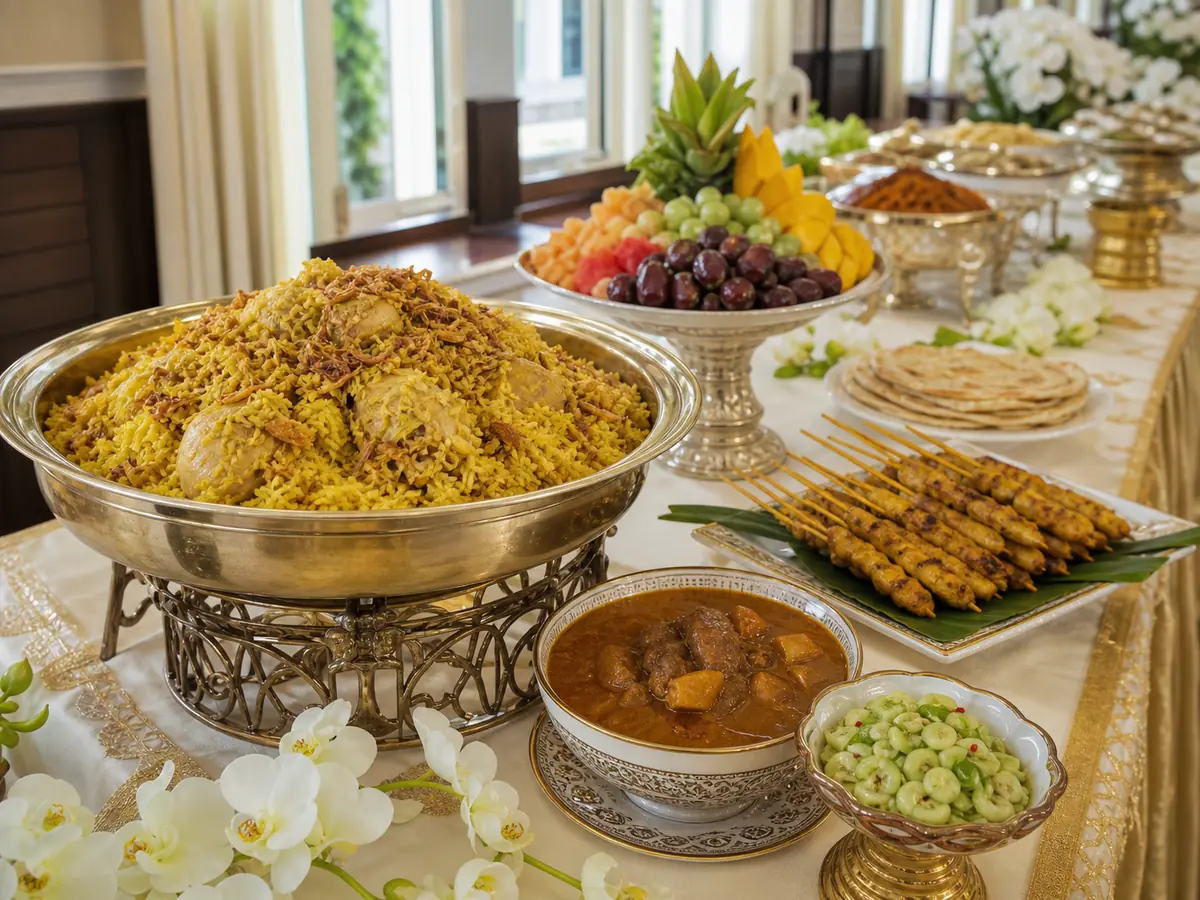
Key aspects of the Walimah:
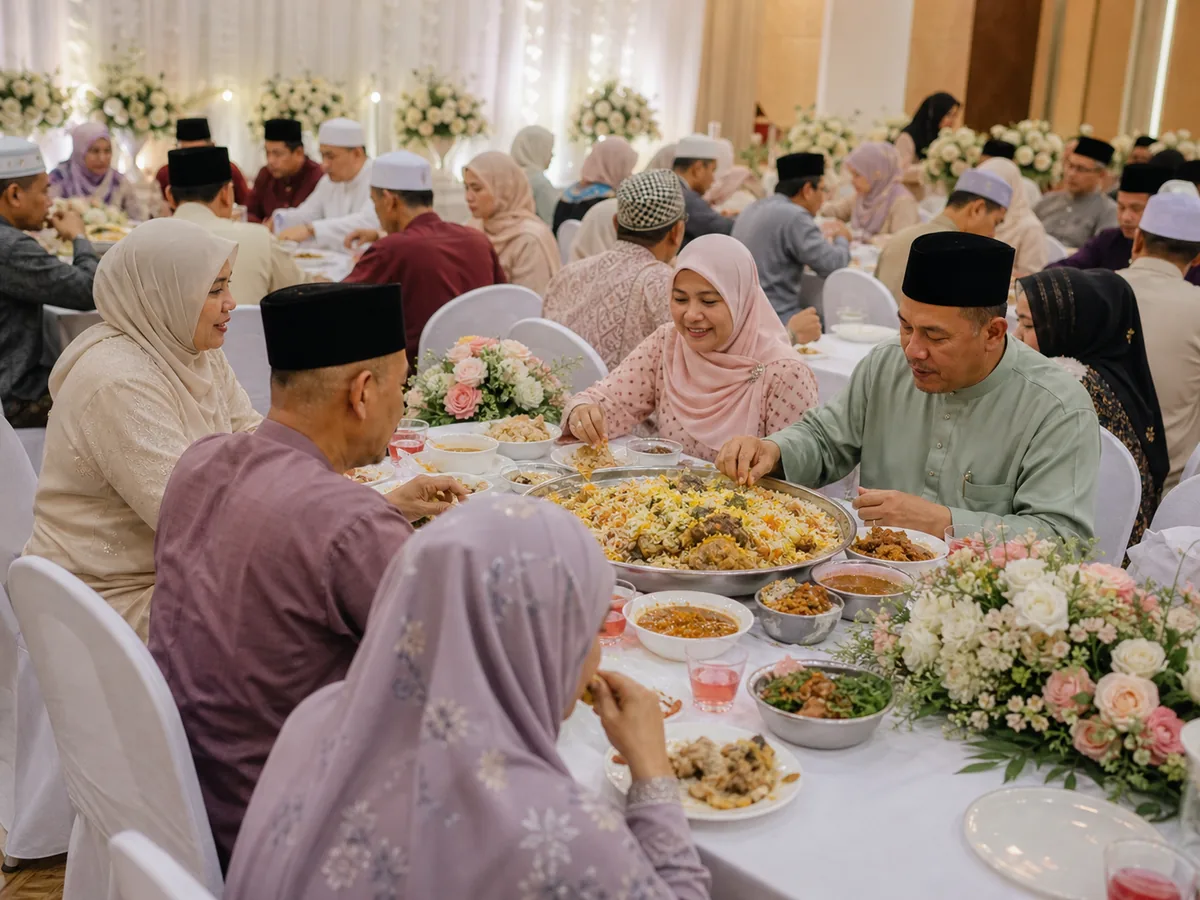
Here is a typical rundown for a daytime Nikah and Walimah combined event:
Whatever the specifics of your ceremony, managing the guest list, budget, and schedule is essential to keep stress at bay. Settling how many invitations to send for the headcount you want early makes the rest far easier. Because Islamic weddings often involve large extended families and community members, keeping track of RSVPs is crucial.
Wedly helps you effortlessly manage your guest list, send digital invitations, and track RSVPs. Its budget tool allows you to separate costs intelligently (e.g., keeping the mahar separate from the catering and decor costs). Furthermore, you can build a detailed itinerary, adding the nikah, walimah, and prayer time cues to your schedule so your vendors and family know exactly what happens when.
A Muslim wedding is a profound commitment anchored by the nikah — involving the wali, witnesses, the formal acceptance, and the mahar (which is given directly to the bride, distinct from the Thai sinsod). This is followed by the joyful, community-centric walimah feast. By balancing these beautiful religious requirements with your family's cultural traditions, and with a little help from planning tools, your wedding will be a blessed, memorable start to your marriage.
The nikah (akad nikah) is the Islamic marriage ceremony — a marriage contract before a religious leader (imam), with the bride's wali and witnesses, and an offer and acceptance (ijab-qabul). Details vary by community and school of thought, so consult an imam or knowledgeable person.
Mahar is what the groom gives directly to the bride as her right under Islam, unlike Thai sinsod which is given to the bride's family. The amount and form are agreed according to religious guidance and what is reasonable.
Generally yes — a wali (the bride's guardian, usually her father) gives her in marriage, along with witnesses as required. Follow your community imam's guidance for the specifics.
The walimah is the wedding feast that announces the marriage to the community, with halal food; some communities separate men's and women's areas. The atmosphere emphasises decorum and blessings, adapted to local custom.
Ready to start planning your wedding?