

Loading…
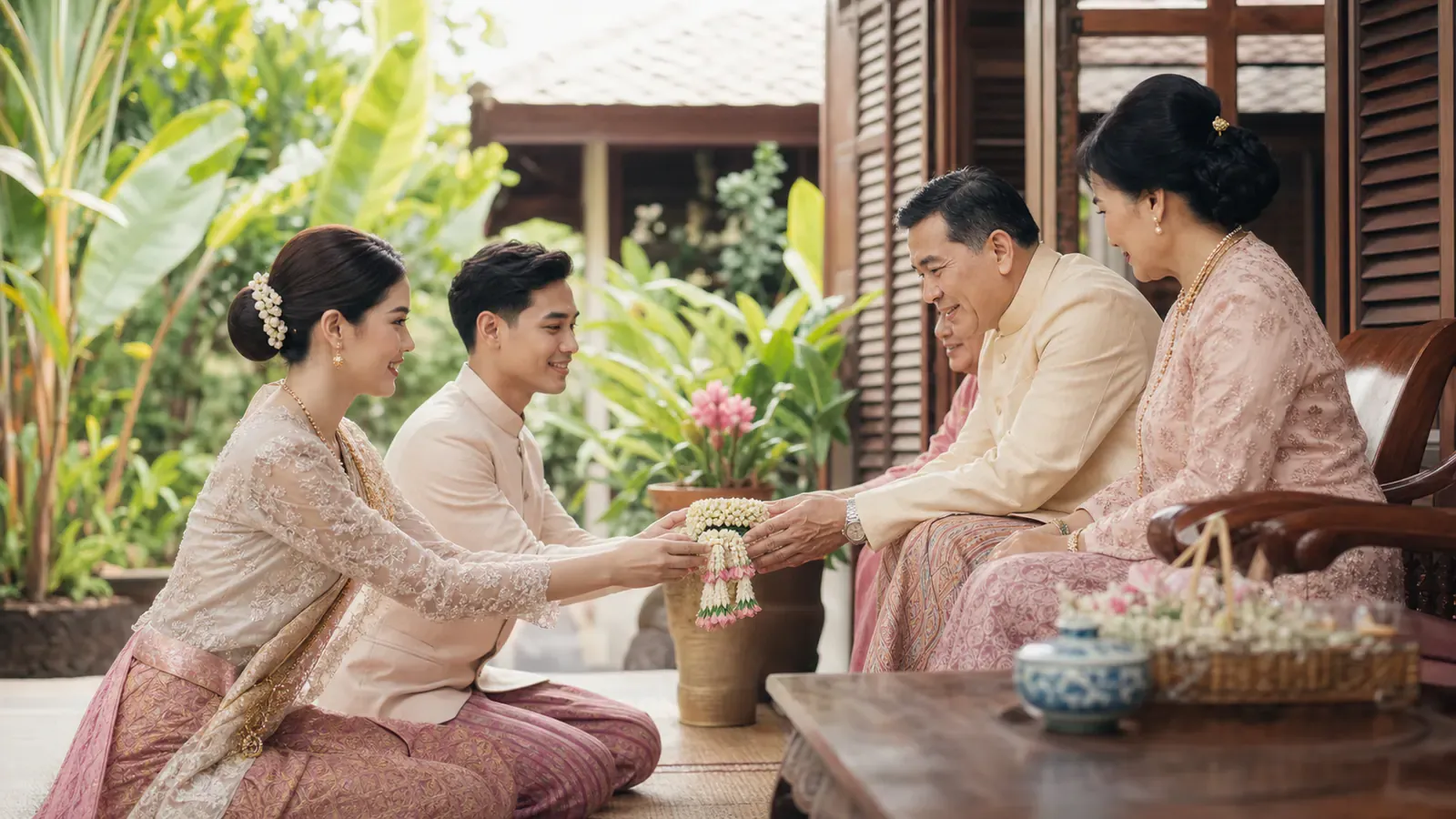
When you think of Southern Thailand, you probably picture pristine white-sand beaches, crystal-clear turquoise waters, and fiercely spicy local curries. But beyond the famous tourist attractions, the wedding culture of the South is just as vibrant, deeply historical, and captivating!
The Southern region boasts an incredible blend of cultures. Its proximity to Malaysia, combined with a rich history of maritime trade and Chinese migration, has created a unique melting pot of traditions. The two predominant wedding styles you will encounter are the Traditional Buddhist Wedding (with a heavy local flair) and the Thai-Muslim Nikah.
Here’s a wedding planner’s comprehensive breakdown of what makes Southern weddings so special, and how you can incorporate these stunning elements into your own big day.
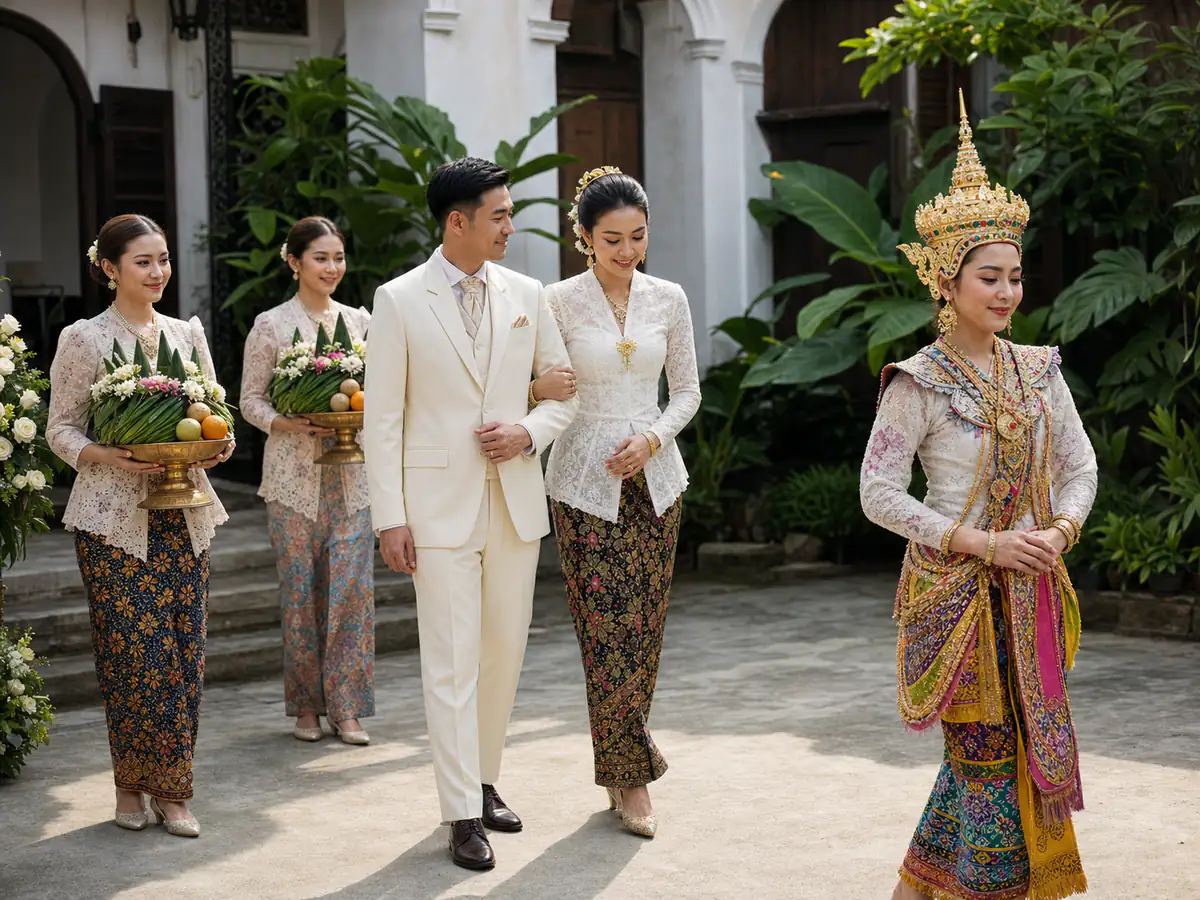
While the core structure of a Southern Thai-Buddhist wedding mirrors the Central Thai style—featuring a morning monk blessing, the Khan Maak (engagement procession), the ring exchange, and the water-pouring ceremony—the execution is entirely unique and bursting with local flavor.
Southerners are known for their hospitality and love of a good party! The groom's Khan Maak procession to the bride’s house is never quiet. It is often accompanied by a lively long-drum band or, for a truly grand entrance, a traditional Manorah (Nora) dance performance to lead the way. The Khan Maak trays themselves are typically grander, often intricately folded using fresh banana leaves and vibrant tropical flowers like orchids and lotus.

In provinces like Phuket, Phang Nga, and Ranong, many families of Straits Chinese descent celebrate their weddings in the traditional "Baba" or "Peranakan" style. This is a breathtaking fusion of Chinese and Malay cultures.

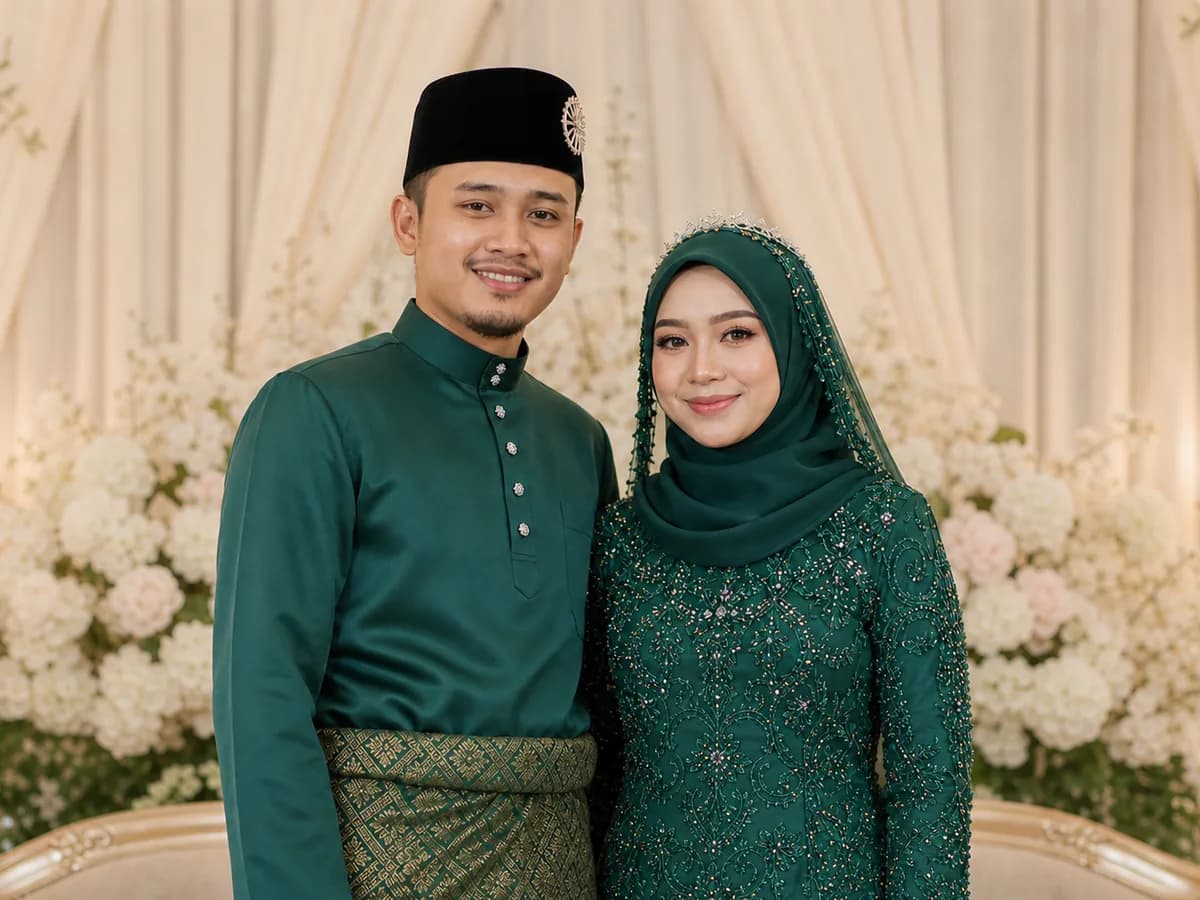
With a large and proud Muslim population in the lower Southern provinces (such as Songkhla, Pattani, Yala, and Narathiwat), many weddings follow Islamic marriage traditions that are deeply blended with local Malay culture.
This is the religious core of the wedding, usually held at a local mosque or the bride's family home, officiated by an Imam. It is a deeply solemn and sacred moment where the groom must verbally accept the marriage proposal (the Ijab and Qabul), often spoken in Arabic or the local Malay dialect.
Unlike the traditional Buddhist "Sinsod" (a dowry given to the bride's parents), the Mahr is a mandatory gift given directly from the groom to the bride. It is her personal property and serves to ensure her financial security. The Mahr can be cash, gold, or even a symbolic item of value.
Southern Thai-Muslim brides often look like absolute royalty. They frequently wear a "Baju Kurung" or a heavily beaded, intricate Malay-style dress, paired with an elegant, perfectly draped hijab. The fabrics are often luxurious silks imported from neighboring Malaysia or Indonesia, featuring rich jewel tones like emerald green, ruby red, or sapphire blue.
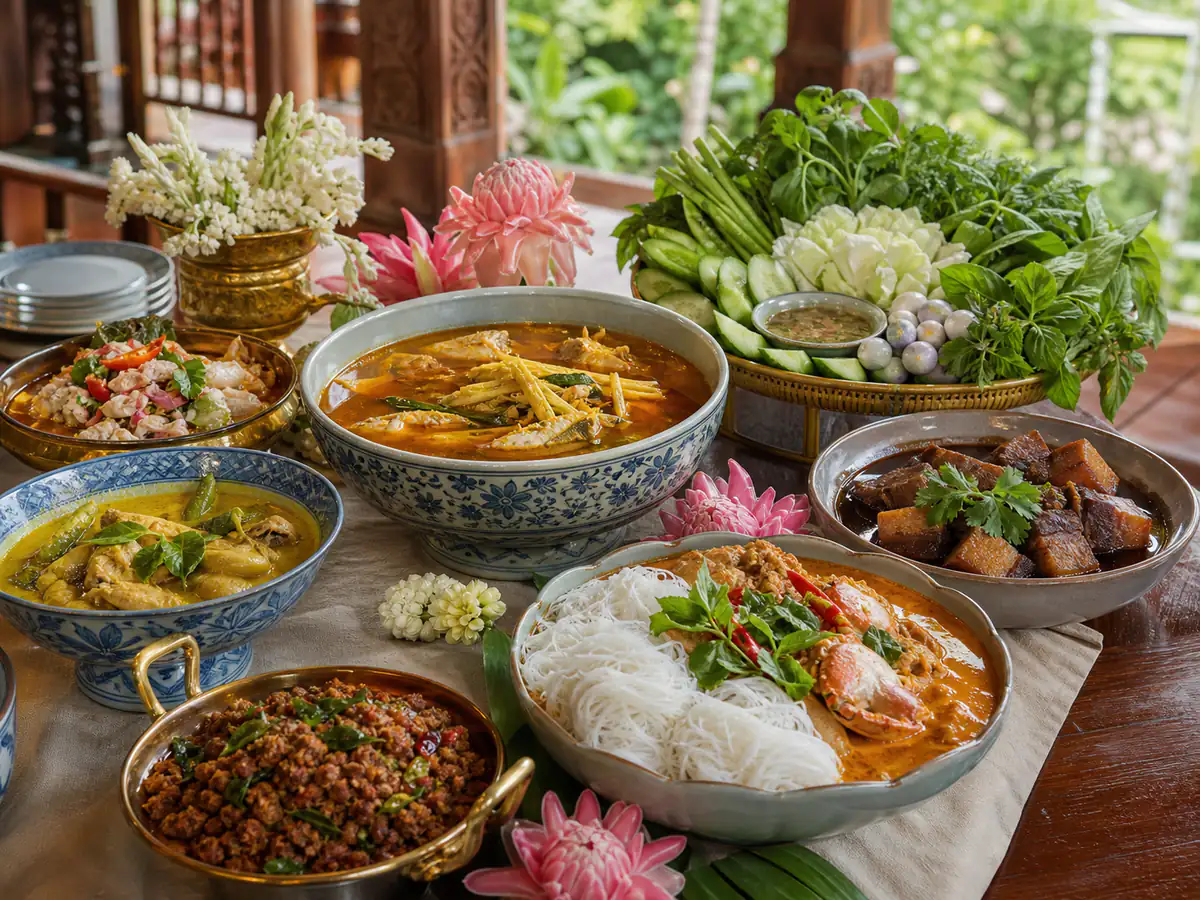
Forget the standard, mild Chinese banquet food you find in Bangkok—Southern weddings are all about the bold, unapologetic flavors! Caterers serve up incredibly spicy, aromatic local dishes that will leave your guests talking for years.
Must-Have Menu Items:
Warning: If you have international guests or friends from regions unaccustomed to extreme spice, always ensure the caterer provides a dedicated "mild" food station to prevent any culinary emergencies!
💡 Wedly's Tip: If you’re hosting a destination wedding in Phuket, Krabi, or Samui, don't just stick to a generic western beach setup—incorporate local elements!
It gives your guests a truly authentic, unforgettable local experience.
If your guest list includes both Buddhist and Muslim attendees, managing the catering is critical. You must ensure a strict Halal zone and respect dietary boundaries.
Use the RSVP Dietary Requirement feature in Wedly to ask guests about their food restrictions (e.g., Halal, vegetarian, no-spice) well in advance. Our platform automatically collates this data into an easy-to-read dashboard for your caterer, ensuring everyone eats happily and without any logistical nightmares on the big day!
It’s a traditional wedding style of the Peranakan (Straits Chinese) descendants in Phuket and Phang Nga. The bride wears a stunning, heavily embroidered lace blouse and batik sarong, dripping in antique gold jewelry.
While the Islamic core (the Nikah ceremony) is the same worldwide, Southern Thai Muslims often incorporate beautiful Malay cultural elements, such as the "Baju Kurung" attire and local spicy cuisine.
Prepare your taste buds! You’ll find extremely flavorful dishes like "Kaeng Som" (sour and spicy yellow curry), "Khua Kling" (dry meat curry), and endless piles of Kanom Jeen (fermented rice noodles).
Ready to start planning your wedding?