

Loading…
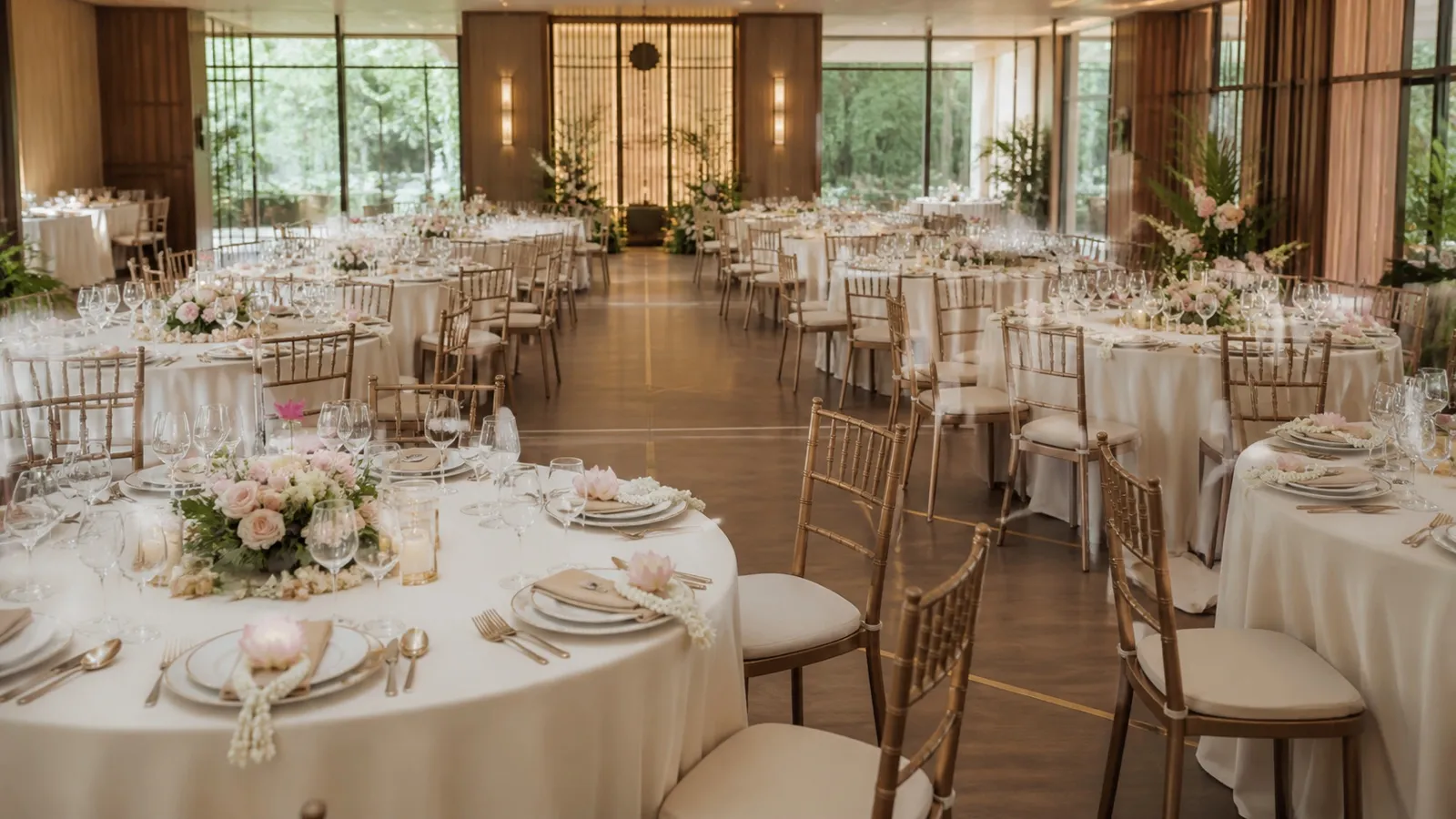
Creating a seating chart is often cited by couples as one of the most headache-inducing parts of wedding planning. This is especially true in Thai-Chinese family cultures, where seniority, hierarchy, and delicate family dynamics play a significant role.
But don't worry! Today, the Wedly team is sharing some top tips to help your wedding seating arrangement go smoothly, without drama, and leave all your guests feeling comfortable and appreciated.
Before you even begin drawing out the floor plan, start by listing all the guests who have RSVP'd "yes." (If that number keeps moving, an online invitation that collects RSVPs for you makes it far more reliable.) Then, divide them into clear, distinct groups, such as:
Having these clear groups will make it much easier to visualize the big picture and estimate the number of tables needed for each section — the table and seat calculator turns those headcounts into a table count in seconds.
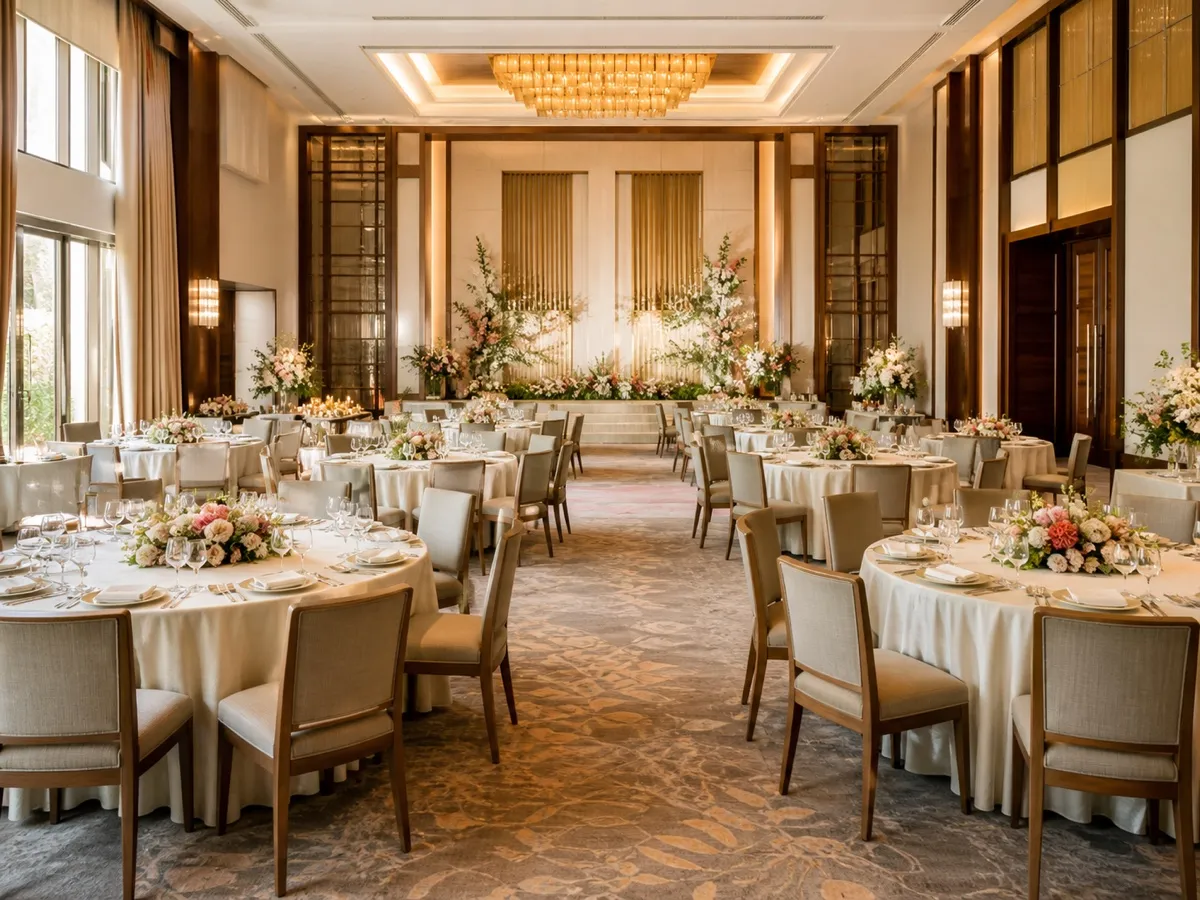
In Thai-Chinese traditions, honoring elders is paramount. Arranging tables for this group requires meticulous attention:
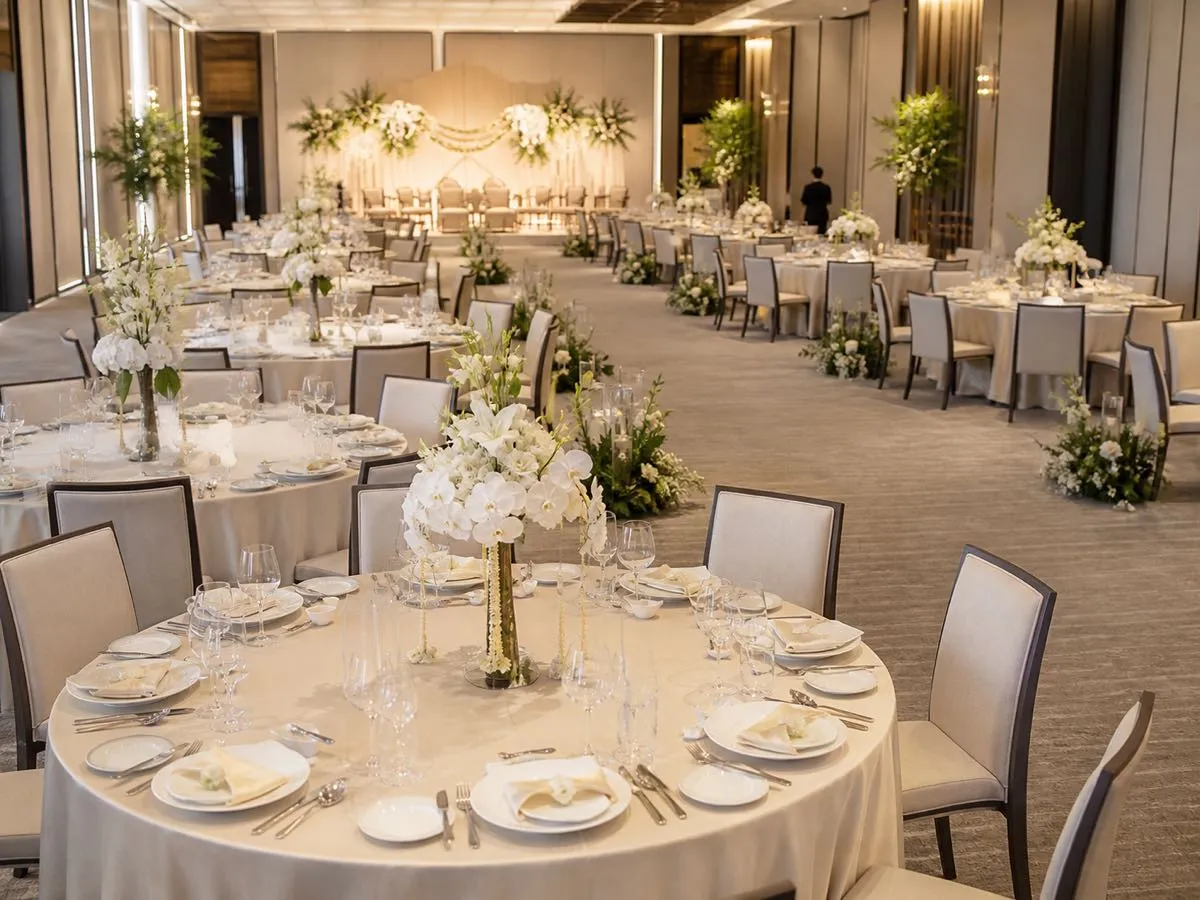
For the friends' tables, you can relax the rules a bit, but there are still some helpful tricks to keep in mind:
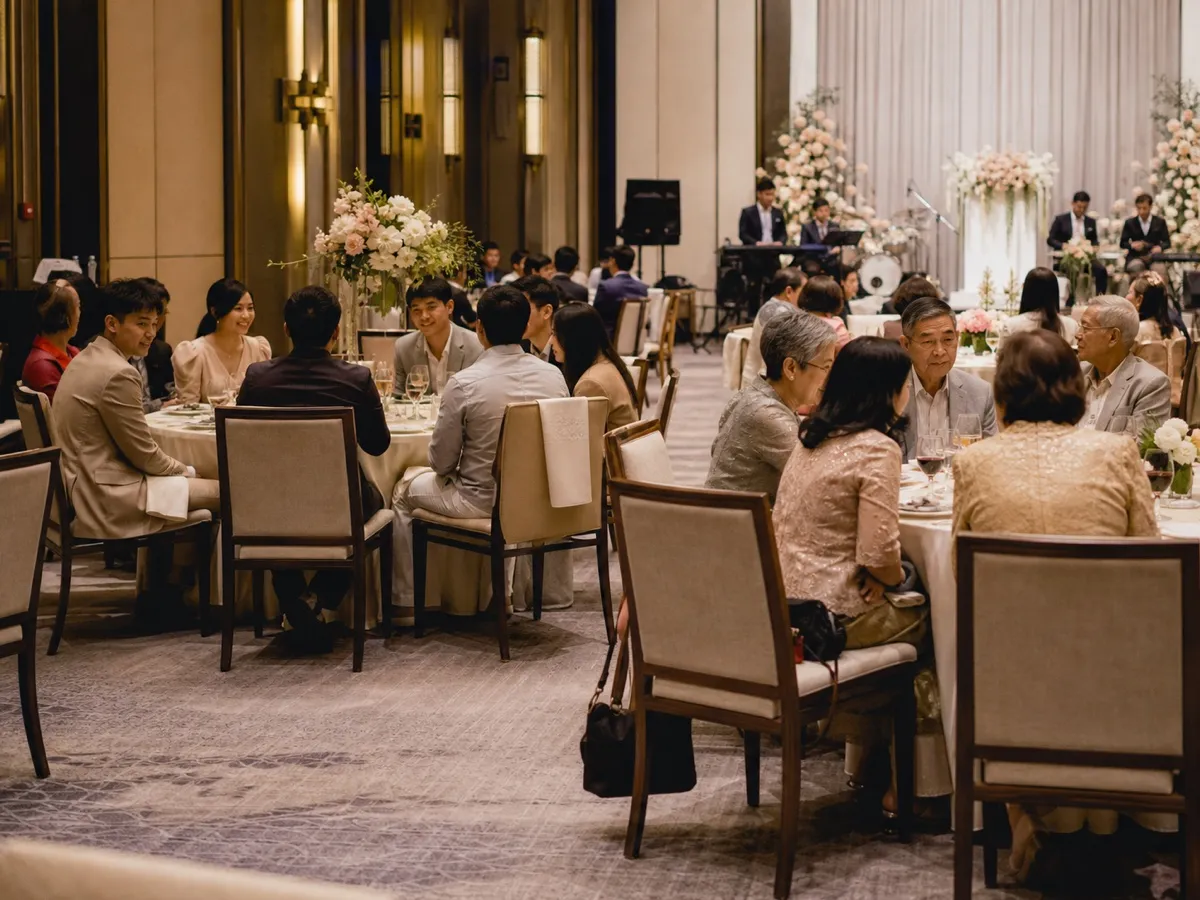
In some cultures (particularly Chinese), certain numbers can have unlucky meanings (like the number 4). If you're concerned about this, consider ditching the standard table numbers (1, 2, 3...) and instead name the tables based on the couple's story. For example:
This not only helps avoid number-related drama but also adds a cute, personalized gimmick to your wedding reception.
No matter how well you calculate, there will often be guests who bring an unannounced plus-one, or guests who initially declined but suddenly became available. (Handling un-RSVPed and unexpected guests covers how to greet them without anyone losing face.) Therefore, always prepare 1-2 spare tables (or about 5-10% of your guest count) towards the back of the room to accommodate these unexpected situations.
Don't try to arrange your seating chart by writing it on paper and erasing it a hundred times! There are many tools available today to make this easier:
Creating a seating chart might seem like a heavy task, but if you approach it systematically, communicate clearly with your families, and prepare for unexpected changes, it won't be a headache anymore.
Remember, the main goal of the seating chart is to ensure every guest feels comfortable and enjoys your celebration. Happy wedding planning!
Keep roughly 5 to 10 percent of your guest count spare, or one to two tables at the back, for unannounced plus-ones and guests who decline then turn up after all.
Near the stage and the main aisle so they can see the ceremony clearly, but away from the speakers, which get uncomfortably loud. Always have both sets of parents review the plan before you finalise it.
Not at all. Many couples name tables instead — cities they have travelled to, favourite flowers — which sidesteps numbers that some families consider unlucky.
Ready to start planning your wedding?