

Loading…
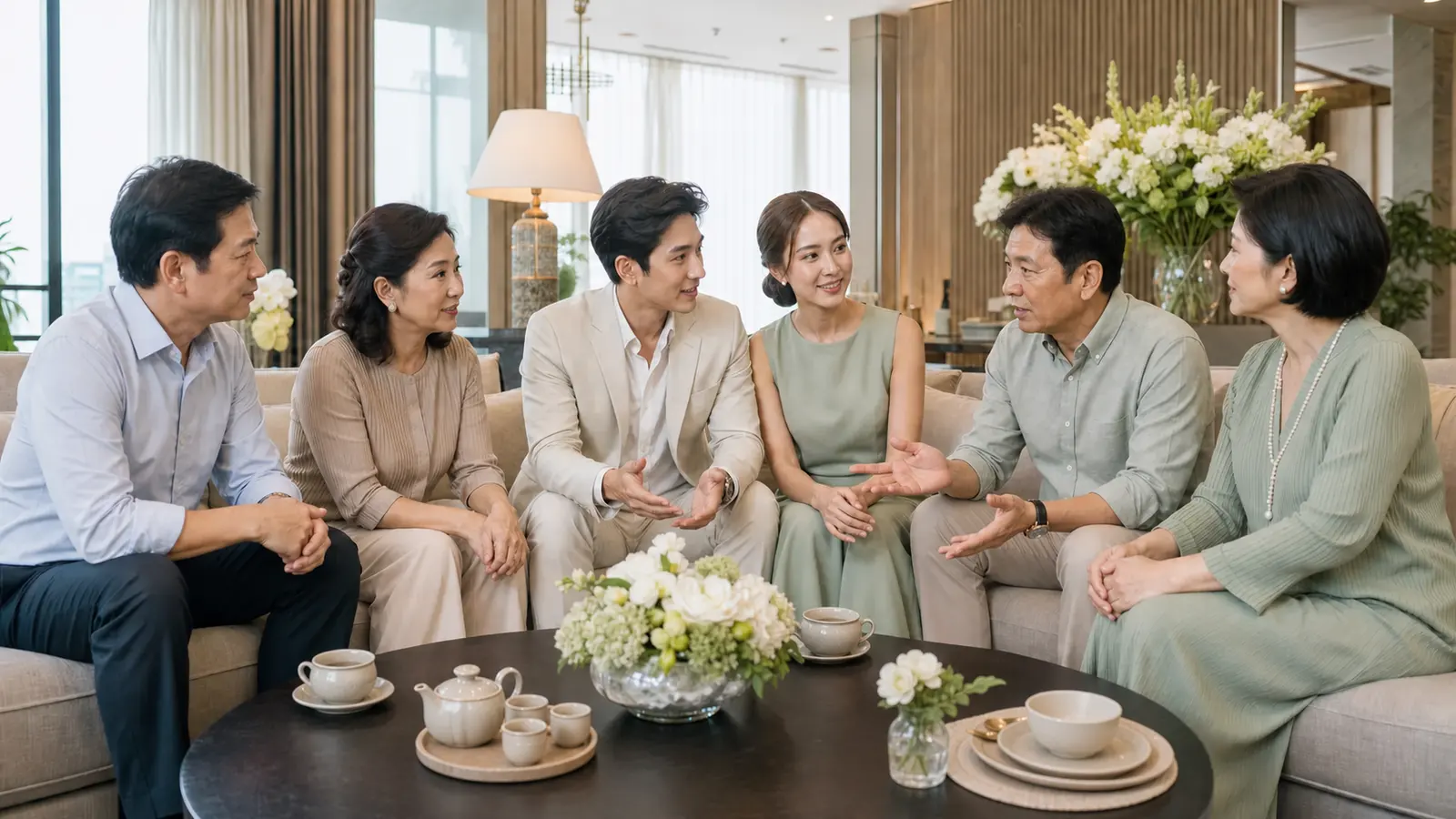
There is a famous saying in Thailand that perfectly encapsulates the cultural reality of tying the knot: "Marriage is between two people, but a wedding is between two families."
If you are planning an Asian wedding, you likely already know that the process is heavily influenced by tradition, hierarchy, filial piety, and the concept of "saving face." While Western weddings are often viewed as a celebration focused entirely on the bride and groom, Asian weddings are frequently seen as a public milestone for the parents to showcase their family's success, status, and hospitality to their peers.
Clashing with parents over wedding details is practically a rite of passage. However, it doesn't have to end in tears and shouting matches. Here is a survival guide on how to navigate these tricky cultural waters, compromise gracefully, and plan a wedding that honors your elders while still feeling like your big day.
The most common—and often most explosive—argument during Asian wedding planning is over the guest list. Your parents will likely want to invite their business partners, golf buddies, and distant relatives you haven't seen since you were three years old. You, on the other hand, want an intimate celebration with your closest friends — something closer to a micro wedding.
The Solution: Do not try to veto their guests one by one; it will be seen as disrespectful. Instead, manage this gracefully by setting a strict guest quota early on, based on your venue capacity and budget.
In many Asian cultures, parents generously offer to pay for the bulk of the wedding expenses. However, this financial support often comes with unspoken strings attached. If your parents are paying for a 500-person ballroom reception, they will expect to have the final say on the guest list and the food.
The Solution: Have an honest conversation about money before booking anything — it goes far better over real numbers, so open the wedding budget calculator together. If you are uncomfortable relinquishing control over your wedding, you and your partner must be prepared to pay for the wedding yourselves. If you pay, you have the ultimate veto power. If parents are contributing, view them as "co-hosts" or "investors"—you must take their preferences seriously into account.
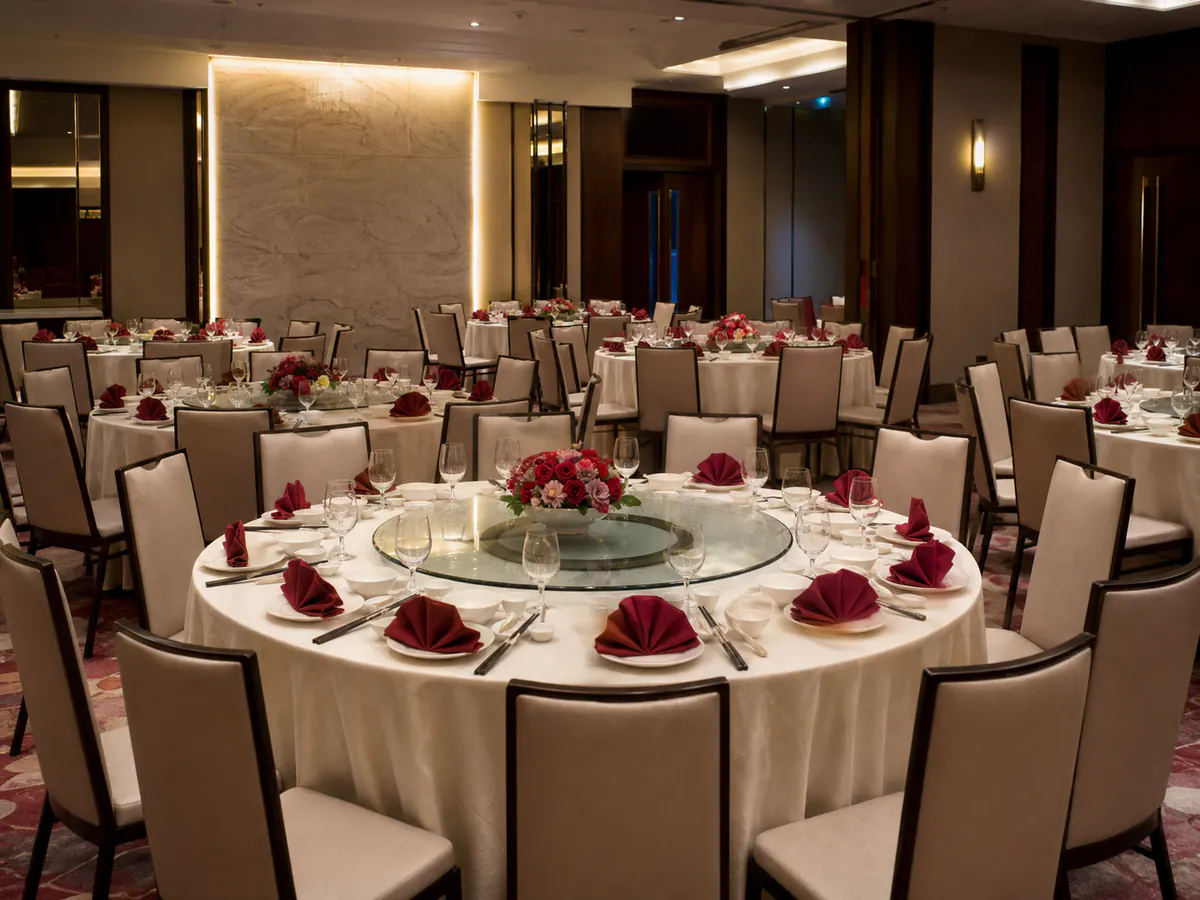
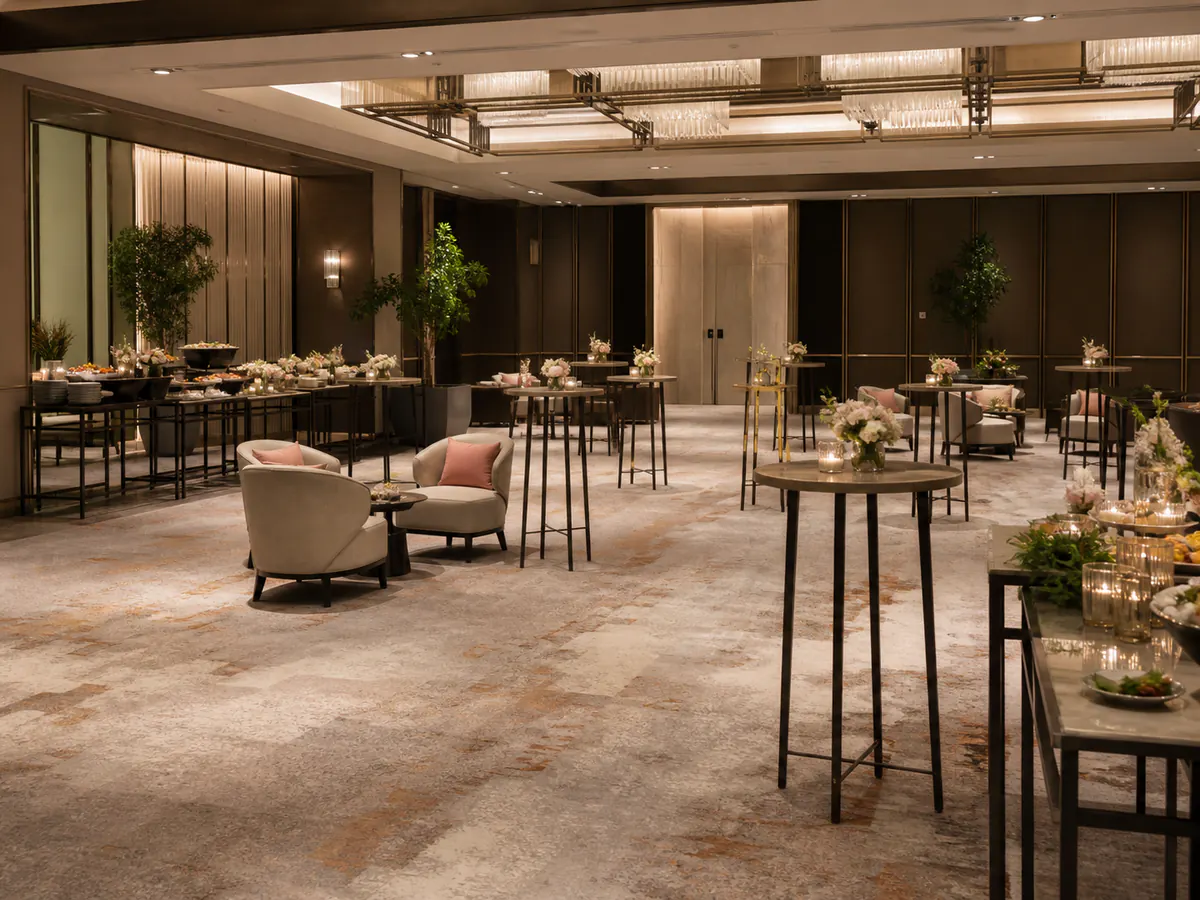
You want a chic, modern cocktail party where guests can mingle freely. Your parents want a traditional 10-course Chinese banquet or a grand buffet so the elders can sit comfortably and be served.
The Solution: Mixed Seating and Hybrid Catering. You do not have to choose one or the other. Set up formal VIP round tables near the front of the stage with full table service (or family-style dining) for the parents, relatives, and elder VIPs. In the back or around the perimeter, set up cocktail tables and a buffet/food station for your younger friends. This ensures the elders are respected and comfortable, while your friends get the lively party atmosphere you desire. (We compare the formats side by side in our Thai wedding catering guide.)
Elders care deeply about traditions, rituals, and auspicious timings. They want the monks, the Khan Maak procession, the tea ceremony, and the water-pouring rituals done exactly by the book. Walking them through the full Thai wedding day schedule helps everyone agree on what each ritual actually costs in time. You might find these rituals exhausting or outdated.
The Solution: Compartmentalize the day. A highly successful compromise for many Thai couples is to give your parents full control over the Morning Ceremony. Let them handle the traditional elements, invite their elder friends, and follow all the customs they value. In return, establish the boundary that the Evening Reception is entirely your domain—your style, your music, your friends, and your rules.
Sometimes, Asian parents simply won't listen to their children. In their eyes, you will always be their kid. However, they hold a deep respect for professionals and outside authority figures.
The Solution: If you are stuck in a deadlock over a specific issue (like skipping a certain ritual or changing the flow of the timeline), do not argue with them directly. Instead, have your wedding planner, your MC, or a highly respected older relative explain why your idea is practical. When a professional says, "Auntie, if we do it this way, the flow will be much smoother and your guests won't have to wait in line," parents are much more likely to agree.
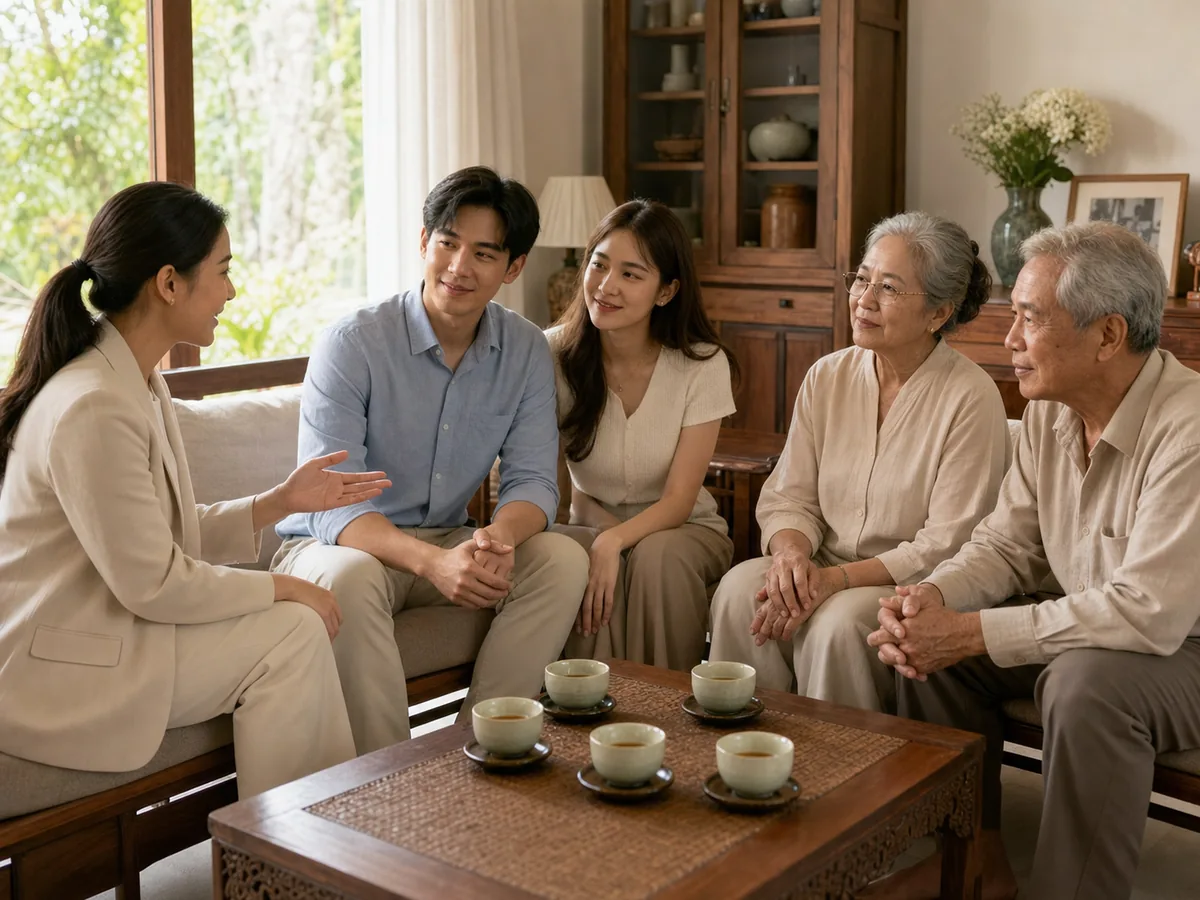
Sometimes, parents become overbearing simply because they feel left out and want to feel useful and important.
The Solution: Give them specific, high-profile tasks that keep them busy but away from the core design decisions. Ask your mother to be in charge of selecting the wedding favors, managing the traditional Thai desserts for the morning, or coordinating the VIP guest reception. This makes them feel valued and gives them a sense of ownership over a specific part of the event.
At the end of the day, your parents want to celebrate you. The friction usually comes from a place of love and a desire to show you off to the world. By picking your battles, compromising on logistics, and respecting the cultural importance of "face," you can survive wedding planning and host a beautiful day that unites both families.
Nothing upsets elder guests more than arriving at a wedding and not having a proper, respected seat. Avoid family drama on the big day by using Wedly's Seating Arrangement tool to assign VIP tables visually, ensuring all important family members are placed perfectly before they even arrive.
Compromise with a mixed floor plan! Set up VIP round tables with seated catering for the elders, and a cocktail standing zone for your friends.
Give them a strict "guest quota" (e.g., 50 invitations per family side) and let them prioritize who they want to invite within that limit.
Ready to start planning your wedding?