

Loading…

A tight budget doesn't mean a plain wedding — it just means choosing a little more cleverly. And honestly? Some of the warmest, most memorable weddings out there cost far less than you'd guess. The secret is knowing where to spend your money to get the most impact, and where you can comfortably cut back without anyone even noticing.
According to recent surveys, the average Thai wedding can easily exceed 300,000 THB to 500,000 THB when factoring in all the bells and whistles. But you absolutely do not need to spend that much. With a bit of strategic planning, you can host a stunning celebration for a fraction of that cost.
So here are the ways to plan a budget Thai wedding that still looks lovely: what you can happily cut, what you really shouldn't, and how to prioritise so every baht pulls its weight. (This builds on our guide on How to Budget a Thai Wedding; you can also estimate a range with the wedding budget calculator).
If you are looking for actionable ways to bring your wedding costs down, start here. These aren't just minor tweaks; these are substantial changes that can save you tens of thousands of baht.
This is the number-one driver of your budget, hands down. Every guest adds to the cost of catering, invitations, favours, seating, and venue size. Cutting 50 guests can save tens of thousands instantly. Instead of inviting every distant relative and old coworker, focus on the people who truly matter to you and your partner. Intimate micro-weddings are incredibly trendy and allow you to spend more per head on the guests who do attend.
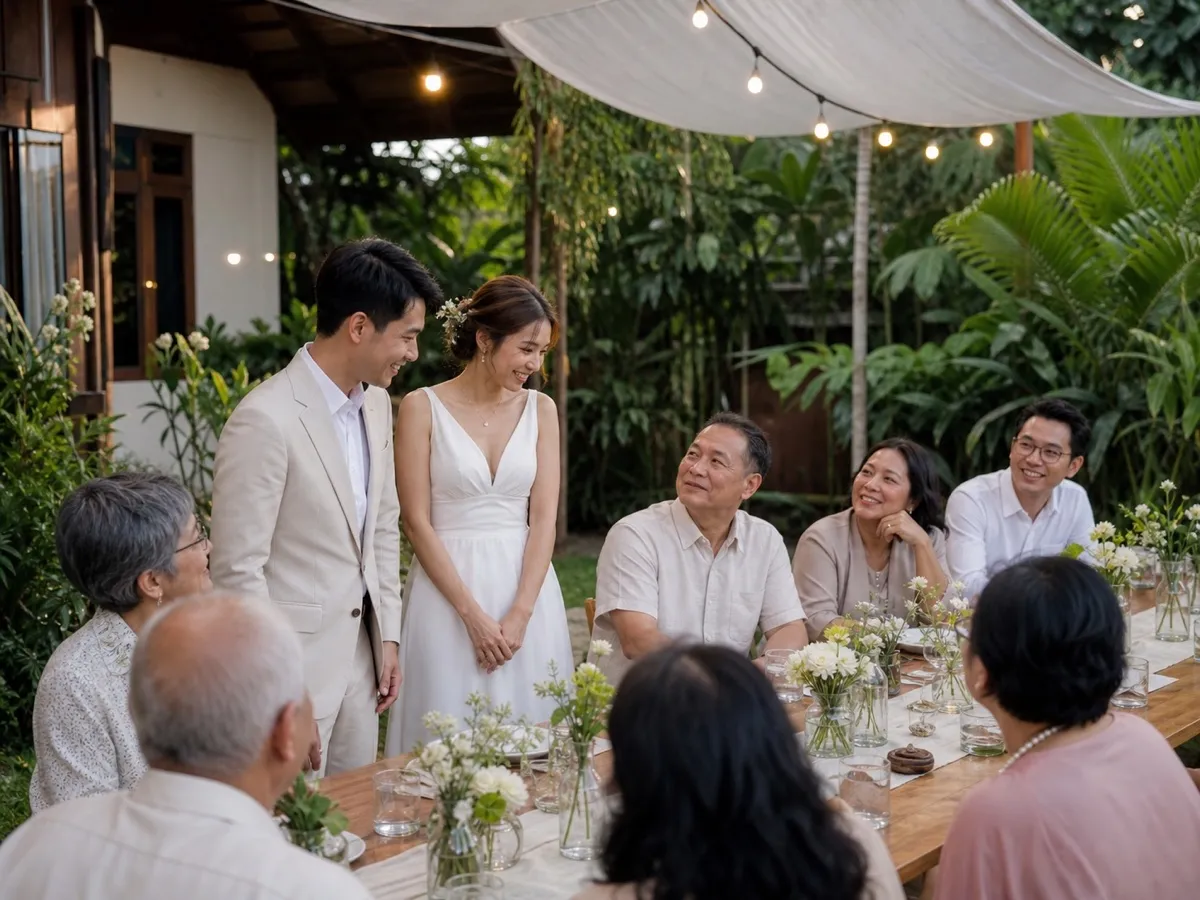
A grand hotel ballroom is beautiful, but it comes with a hefty minimum spend. Consider alternatives like a family home, a picturesque garden, a local temple, or a charming small restaurant.
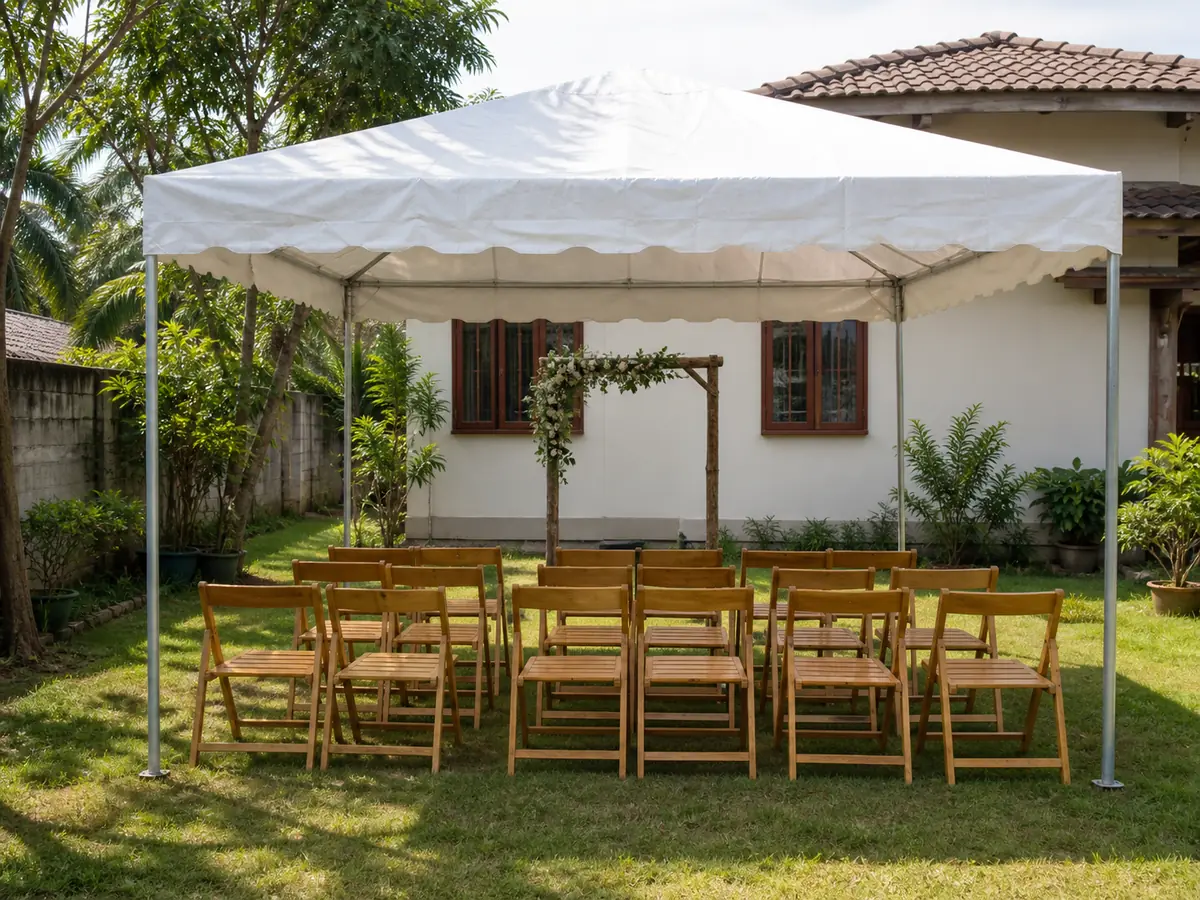
Saturdays in November and December are the peak of Thailand's wedding season. Venues and vendors charge a premium. If you shift your date to a Friday or Sunday, or move it to the "green season" (May to October), you can often negotiate better rates, and you'll find far more availability among top-tier vendors.
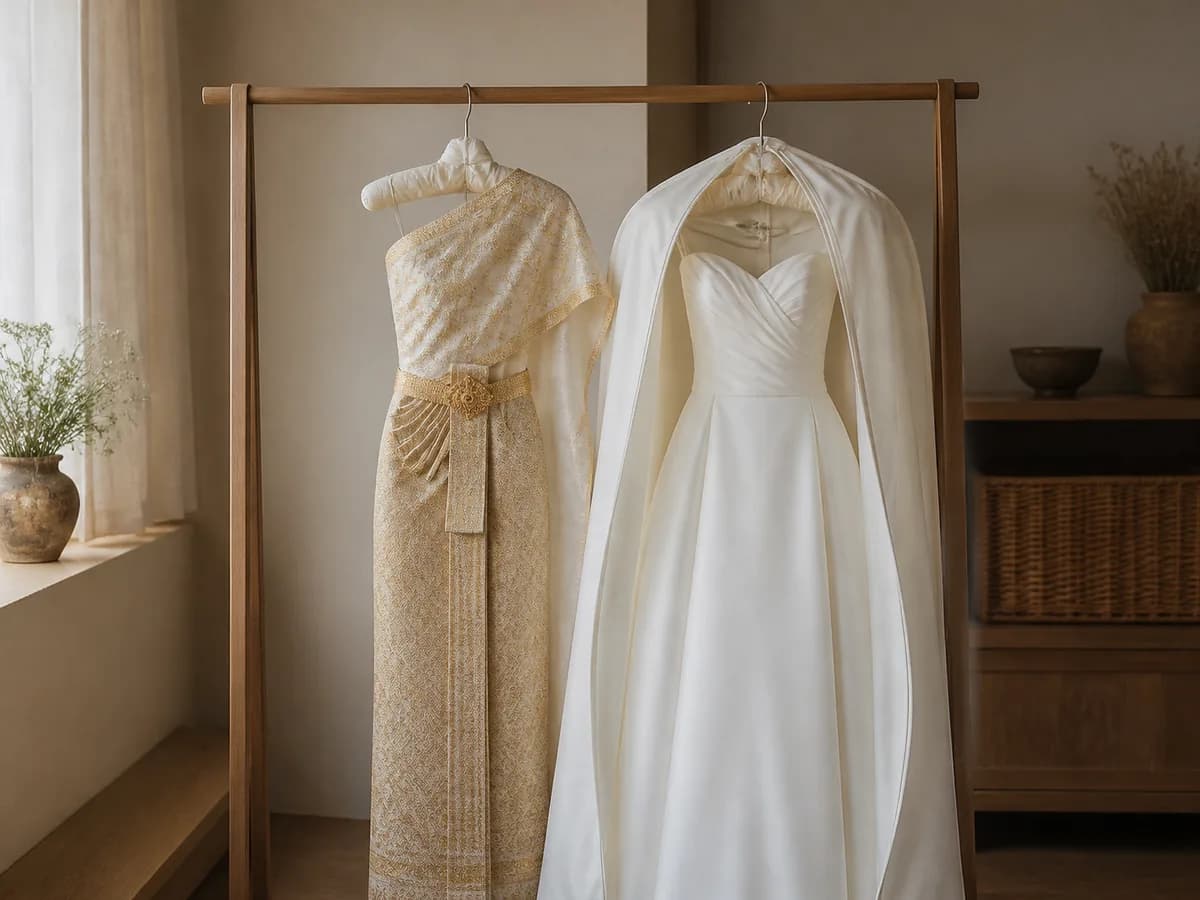
It's common in Thai weddings to have multiple outfit changes—a traditional Thai dress for the morning, a white gown for the evening, and perhaps an after-party outfit. Fewer outfits mean less expense. Opt to rent rather than tailor a custom gown. You can find stunning rental options that look brand new. (See our guide on the Thai Wedding Dress).
Elaborate stage lighting, dry ice, and massive floral archways look great in photos, but they drain a budget fast.
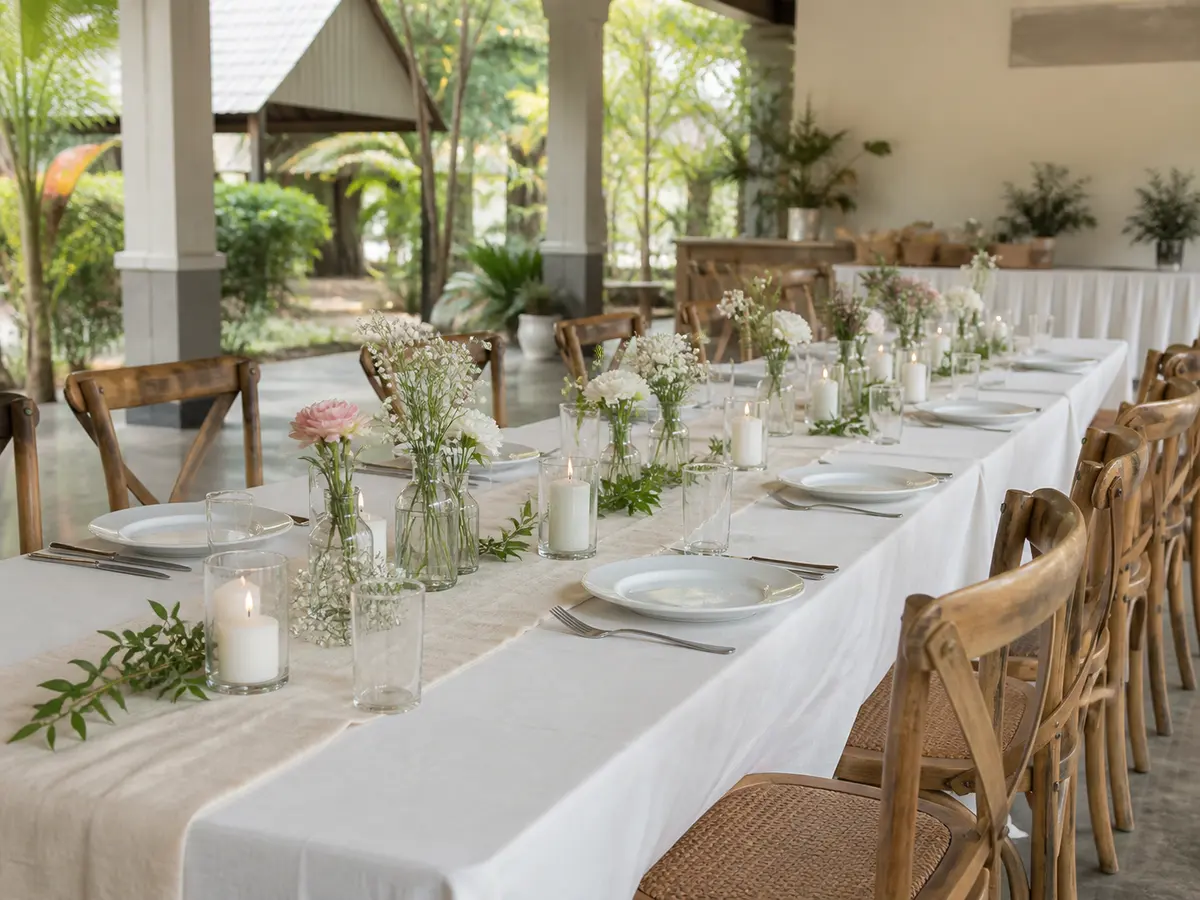
When venue shopping, look for places that offer comprehensive packages. Hotels and dedicated wedding venues often throw in a complimentary night's stay, the wedding cake, free-flow water and soft drinks, and sometimes even basic floral arrangements. Bundling these services is almost always cheaper than sourcing them separately.
You can absolutely DIY your wedding favours, welcome signage, or a fun photo corner. However, know your limits. Don't DIY the catering or the photography. Do as much as you can without inducing pre-wedding stress. Enlist talented friends to help!
Printing high-quality, foil-stamped invitations and mailing them out is surprisingly expensive. Shift to digital invitations. They are eco-friendly, free (or very cheap), and make tracking RSVPs incredibly easy. (Learn more about managing your list at Invitations & Guest Count).
Thai weddings can include many distinct ceremonies: the Khan Maak procession, the door games, the engagement, the religious monk blessing, and the water-pouring. If a massive Khan Maak parade isn't meaningful to you, skip it or scale it down. Keep only what genuinely means something to your families.
The biggest reason weddings go over budget is "budget creep"—those small, unrecorded expenses that add up over months. See the real total and stop it from quietly ballooning by logging every deposit and final payment.
One rule worth repeating: don't cut the photographer first. Everything else is over in a day, but photos are the one thing you keep forever. If money's genuinely tight, trim the package (morning-only, or a half day) rather than dropping it altogether.
When you're forced to make tough decisions, refer to this priority list:
Cut First:
Think Twice:
Negotiable:
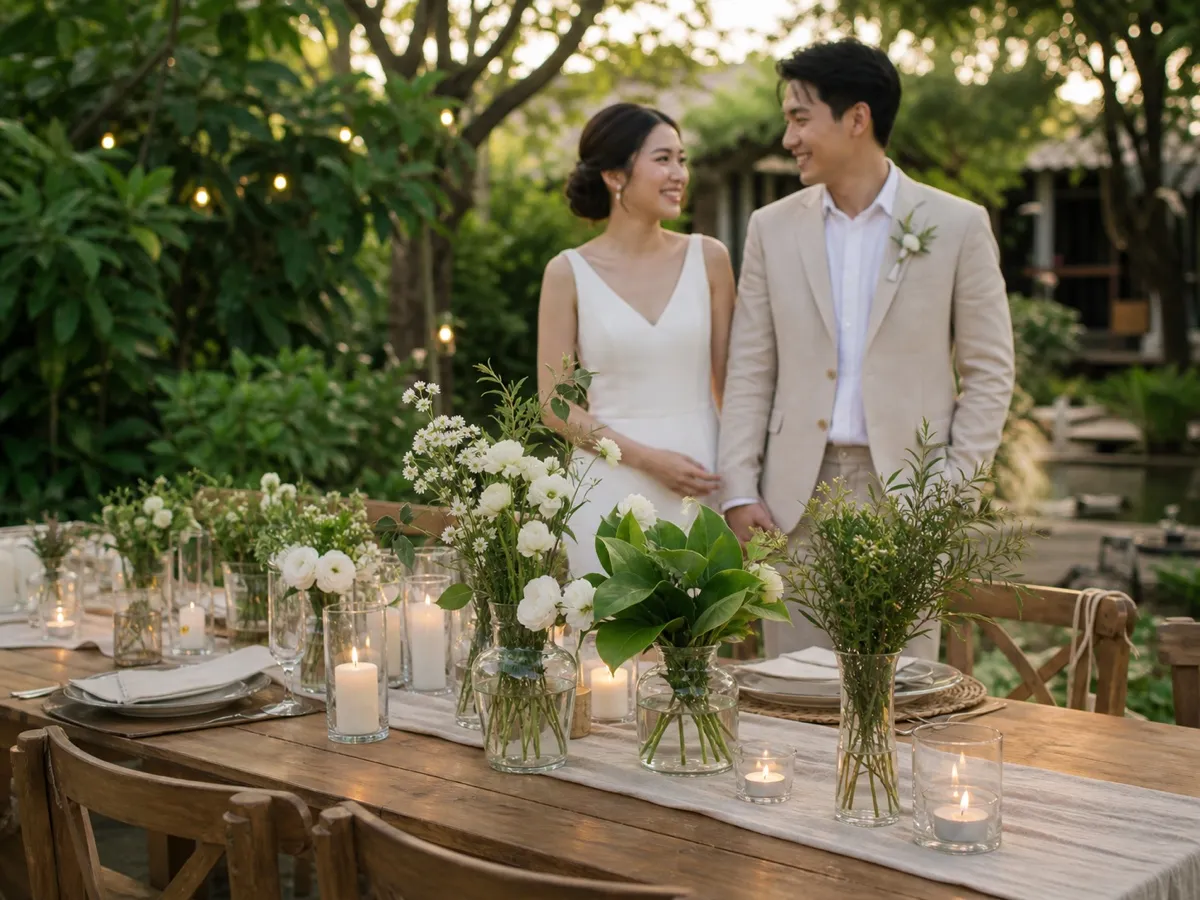
Put your money into what is seen and remembered longest first—namely, good food, a great atmosphere, and beautiful photos—then spread the rest around.
A small budget needs tighter control, plain and simple. Spreadsheets can get messy, and it's easy to lose track of paper receipts.
Wedly lets you set a ceiling, break out your spending into clear categories, log actual spend and deposits, and watch the remaining balance in real time. The moment a category starts to overrun, you catch it and adjust before it balloons into a stressful situation. It's the smartest way to ensure you reach your wedding day financially stress-free.
A beautiful budget wedding comes down to controlling the guest count, choosing affordable venues and dates, cutting production before the photographer, and tracking the whole budget in one place.
Remember that the day is about celebrating your commitment to each other, not showing off how much money you can spend. Pour your resources into the food and photos that stay with you longest, and you'll get a warm, memorable day without going into debt. Be intentional, stay organised, and your wedding will be nothing short of perfect.
There's no fixed number — a small family wedding can run from the tens of thousands to low hundreds of thousands of baht, depending mainly on the guest count and style. A good budget is one you can pay without debt.
Control the guest count, choose an affordable venue like a home or garden, pick a weekday or off-season, cut production and large florals, limit outfit changes, and pick packages with bundled extras.
It usually saves on venue rental, but budget for a tent, tables and chairs, catering and self-management. It suits small to medium weddings with a warm, casual feel.
Trim evening production, large-scale floral decor and the number of outfit changes first. Avoid cutting the photographer, since photos are the one thing you keep, and avoid cutting guests in a way that harms relationships.
Ready to start planning your wedding?